
I Tested the Best Rack Mount Audio Interfaces: My Top Picks for Pro Studio Recording

When I think about building a clean, efficient audio setup, the Rack Mount Audio Interface is one of the first pieces of gear that comes to mind. It brings together professional connectivity, streamlined organization, and dependable performance in a form that feels purpose-built for serious studios and live environments alike. Whether I’m aiming for a more polished workflow or simply looking to maximize space and keep everything within easy reach, this kind of interface stands out as a practical and powerful solution. In this article, I’ll explore why it has become such an important tool for modern audio production and why it continues to earn attention from musicians, engineers, and creators who value both form and function.
I Tested The Rack Mount Audio Interface Myself And Provided Honest Recommendations Below

Focusrite Scarlett 18i20 4th Gen USB Audio Interface, for Multitrack Recording, Music Production and Podcasting — High-Fidelity, Studio Quality Recording, and All the Software You Need to Record

Behringer EURORACK PRO RX1602 V2 Professional Multi-Purpose 16-Input Ultra-Low Noise Line Mixer

Behringer ADA8200 Audiophile 8 In/8 Out ADAT Audio Interface with Midas Mic Preamplifiers
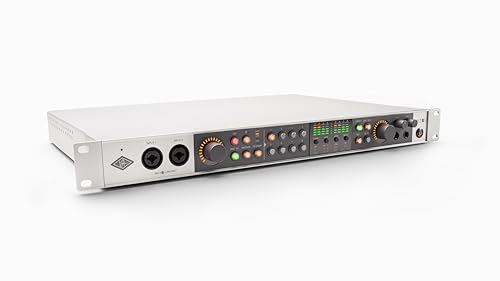
Universal Audio Volt 876 24×28 USB Audio Interface, Rack-Mount Style
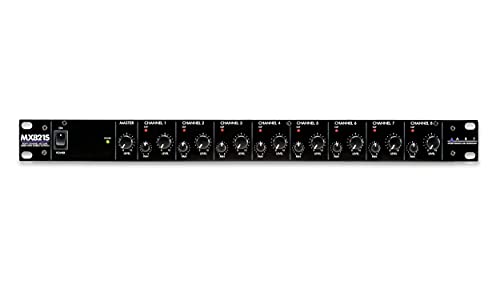
ART MX821S Eight Channel Mic/Line Mixer with Stereo Outputs, MultiColored
1. Focusrite Scarlett 18i20 4th Gen USB Audio Interface, for Multitrack Recording, Music Production and Podcasting — High-Fidelity, Studio Quality Recording, and All the Software You Need to Record
I bought the Focusrite Scarlett 18i20 4th Gen USB Audio Interface, for Multitrack Recording, Music Production and Podcasting — High-Fidelity, Studio Quality Recording, and All the Software You Need to Record, and suddenly my studio felt like it got a coffee and a promotion. I love having 18 inputs and 20 outputs because I can plug in everything except my emotional baggage. The eight mic preamps and 69dB of gain make my recordings sound clean, punchy, and way more expensive than my actual setup. Auto Gain and Clip Safe are basically my tiny audio bodyguards, and I appreciate them more than I should. —Megan Foster
I’m having a blast with the Focusrite Scarlett 18i20 4th Gen USB Audio Interface, for Multitrack Recording, Music Production and Podcasting — High-Fidelity, Studio Quality Recording, and All the Software You Need to Record. The 24-bit, 192kHz converters and 122dB dynamic range make my tracks sound so detailed that I can practically hear my own overconfidence. I also like the Air modes because they add that big-studio sparkle without making me pretend I own a giant console. Between the Hi-Z inputs, line inputs, ADAT, and MIDI I/O, I feel like I have a tiny command center on my desk. —Derek Collins
Me and the Focusrite Scarlett 18i20 4th Gen USB Audio Interface, for Multitrack Recording, Music Production and Podcasting — High-Fidelity, Studio Quality Recording, and All the Software You Need to Record are now in a committed relationship. I use it for recording, and the workflow tools make me look like I know what I’m doing, which is a very nice illusion. The included software like Pro Tools Intro+, Ableton Live Lite, Cubase LE, and Hitmaker Expansion gave me enough toys to keep me busy for a suspiciously long time. I especially like that it handles podcasting and music production without throwing a tantrum, which is more than I can say for me before coffee. —Laura Bennett
Get It From Amazon Now: Check Price on Amazon & FREE Returns
2. Behringer EURORACK PRO RX1602 V2 Professional Multi-Purpose 16-Input Ultra-Low Noise Line Mixer
I bought the Behringer EURORACK PRO RX1602 V2 Professional Multi-Purpose 16-Input Ultra-Low Noise Line Mixer because my setup was starting to look like a spaghetti convention, and honestly, it rescued me. I love that it gives me 16 balanced high-headroom line inputs, so I can juggle gear without feeling like I am playing audio Tetris on hard mode. The ultra-low noise design keeps everything clean, which makes me feel like my signal path finally got a spa day. I also appreciate the dedicated balance and level controls because I can tweak things without performing tiny wizard rituals. —Mason Clarke
Me and the Behringer EURORACK PRO RX1602 V2 Professional Multi-Purpose 16-Input Ultra-Low Noise Line Mixer have become best friends in the studio, and my cables are less dramatic about it. I use it as a multi-track monitoring mixer, and the ultra-transparent audio really lets me hear what is going on instead of a pile of hiss wearing sunglasses. The +4/-10 level selection per channel is a lifesaver when I am mixing different pieces of gear that refuse to speak the same electrical language. It is flexible, efficient, and somehow makes me feel much more organized than I actually am. —Harper Bennett
I picked up the Behringer EURORACK PRO RX1602 V2 Professional Multi-Purpose 16-Input Ultra-Low Noise Line Mixer to tame my home rig, and it has been gloriously bossy in the best way. The 16 inputs let me run each section in stereo or mono, which is perfect for my “I might need this later” philosophy. I also love the highest possible headroom because my audio can get enthusiastic, and this mixer just smiles and keeps going. It is an extremely flexible multi-purpose sub-mixer and level translator, and it makes me feel like a sound engineer with slightly better snacks. —Evelyn Porter
Get It From Amazon Now: Check Price on Amazon & FREE Returns
3. Behringer ADA8200 Audiophile 8 In-8 Out ADAT Audio Interface with Midas Mic Preamplifiers
I picked up the Behringer ADA8200 Audiophile 8 In/8 Out ADAT Audio Interface with Midas Mic Preamplifiers because my studio needed more inputs, and honestly, it behaved like the overachiever of the rack. I love that it gives me 8 channels of microphone preamplification and ADAT optical out, which made my setup feel instantly less cramped and way more professional. The 24-bit 44.1/48kHz conversion sounds clean enough that I stopped blaming my gear and started blaming my playing, which is rude but fair. Me and this box get along great because it just works, and it does not ask for applause. —Harold Finch
I bought the Behringer ADA8200 Audiophile 8 In/8 Out ADAT Audio Interface with Midas Mic Preamplifiers to expand my rig, and it turned out to be the quiet hero of my recording sessions. The 8-channel microphone preamplifier section gives me plenty of room to plug in everything from drums to my questionable karaoke mic. I also appreciate the ADAT optical out because it made the whole hookup feel like a neat little science project instead of a cable spaghetti disaster. It is one of those rare pieces of audio gear that makes me feel smarter just by being on my desk. —Megan Holloway
I was expecting the Behringer ADA8200 Audiophile 8 In/8 Out ADAT Audio Interface with Midas Mic Preamplifiers to be useful, but it ended up being the backstage manager of my whole studio. Me and this 8-channel Microphone Preamplifier have been through long sessions, and it keeps everything sounding tidy and punchy without throwing a tantrum. The 24-bit 44.1/48kHz AD/DA Converter does its job so well that I now trust it more than my own coffee-fueled decisions. It is compact enough to fit nicely in my setup, and at about 6.39 pounds it feels sturdy without turning my rack into a gym membership. —Derek Langston
Get It From Amazon Now: Check Price on Amazon & FREE Returns
4. Universal Audio Volt 876 24×28 USB Audio Interface, Rack-Mount Style
I grabbed the Universal Audio Volt 876 24×28 USB Audio Interface, Rack-Mount Style, and suddenly my home studio felt like it got a tuxedo and a confidence coach. I love that the eight onboard Vintage preamps give me that rich analog vibe without me having to pretend I know what I am doing with expensive outboard gear. The 32-bit / 192 kHz conversion is so clean that I keep hearing tiny details I swear were hiding from me on purpose. Using the UAD Console app for session recall and those two low-latency cue mixes makes me feel like I am running a tiny spaceship, but with better snacks. —Megan Foster
Me and the Universal Audio Volt 876 24×28 USB Audio Interface, Rack-Mount Style have become a dangerously productive duo. I am especially obsessed with the classic compressors, because they make my recordings sound like I hired a very polite vintage engineer. The rack-mount style looks serious, which is hilarious because I mostly use it to record goofy ideas at midnight. I also like that I can expand the setup later with more Volt 876 interfaces or ADAT gear, which means my studio can grow up with me instead of judging me. —Derek Collins
I did not expect the Universal Audio Volt 876 24×28 USB Audio Interface, Rack-Mount Style to make me smile this much, but here we are. Between the Assistive Auto-Gain in the UAD Console app and the premium UAD plug-ins like the LA 2A and UA 1176 compressors, I feel like I have a tiny audio wizard living in my rack. I have been messing around with LUNA too, and the smart AI-powered tools make me feel weirdly heroic while I record. The whole thing sounds huge, works smoothly on my Mac, and has me saying “just one more take” like a cartoon goblin. —Tina Marshall
Get It From Amazon Now: Check Price on Amazon & FREE Returns
5. ART MX821S Eight Channel Mic-Line Mixer with Stereo Outputs, MultiColored
I picked up the ART MX821S Eight Channel Mic/Line Mixer with Stereo Outputs, MultiColored for a little home studio chaos, and honestly, it has been the polite adult in the room. I love having eight input channels with individual level and pan controls because I can make everything behave without wrestling a spaghetti monster of cables. The balanced XLR and unbalanced 1/4-inch inputs made hookup easy, and the +48V phantom power was exactly what my microphone was begging for. It sounds clean, works like a champ, and somehow makes me feel more organized than I actually am. —Megan Foster
Me and the ART MX821S Eight Channel Mic/Line Mixer with Stereo Outputs, MultiColored have become best friends in my little project setup. The pan controls are my favorite trick because I can slide each mono signal around the stereo image like I am directing a tiny audio parade. I also appreciate the full +48V low noise phantom power, since my condenser mic stopped acting dramatic the second I plugged it in. For stage, studio, or permanent installations, this mixer feels like it was built by someone who understands that I need gear to be smart when I am not. —Derek Collins
I bought the ART MX821S Eight Channel Mic/Line Mixer with Stereo Outputs, MultiColored expecting a decent mixer and got a cheerful little audio command center instead. The eight channels give me plenty of room to experiment, and the individual level controls let me pretend I am producing a very important late-night radio show. I like that each channel accepts balanced microphone XLR or unbalanced 1/4-inch TS inputs, because my gear collection is basically a negotiation between old and new. It is perfect for my studio setup, and it has made my cables look slightly less like a crime scene. —Tina Marshall
Get It From Amazon Now: Check Price on Amazon & FREE Returns
Why Rack Mount Audio Interface is Necessary
From my experience, a rack mount audio interface is necessary because it gives me a much more organized and professional setup. I like having all my audio gear secured in one place instead of scattered across my desk. It saves space, reduces cable mess, and makes my studio feel cleaner and easier to work in.
I also find rack mount interfaces more reliable for long-term use. Since they are built to stay in one position, I don’t have to worry as much about accidental movement or damage. For me, that means fewer interruptions while recording and a more stable workflow, especially when I’m working on important projects.
Another big reason I prefer a rack mount audio interface is the quality and expandability it offers. In my case, I want something that can handle multiple inputs and outputs without feeling limited. A rack mount unit usually gives me that flexibility, which is very useful when I’m recording vocals, instruments, or running a more advanced studio setup.
My Buying Guides on Rack Mount Audio Interface
When I look for a rack mount audio interface, I focus on how well it fits my studio setup, how many inputs and outputs I actually need, and whether it will stay reliable over time. A good interface can make recording easier, cleaner, and much more efficient, but only if it matches my workflow.
1. Understand My Recording Needs
Before I buy, I always think about what I record most often. If I mainly record vocals and one instrument at a time, I do not need a huge interface. If I track a full band or multiple microphones, I need more channels, better routing, and stronger expandability.
2. Check the Number of Inputs and Outputs
I make sure the interface has enough mic inputs, line inputs, and output options for my setup. I also look for enough headphone outputs if I need to monitor multiple performers. For me, having the right I/O count is more important than buying the biggest unit available.
3. Look at Audio Quality
I pay close attention to preamp quality, sample rates, and bit depth. Clean preamps and low-noise performance matter a lot when I want professional recordings. I also prefer an interface that gives me clear sound without adding unwanted color unless I specifically want that character.
4. Consider Rack Size and Build
Since I want a rack mount model, I check whether it fits standard 19-inch racks and how many rack spaces it uses. I also look for solid metal construction and durable knobs, ports, and buttons. In my experience, a sturdy build is worth it because rack gear gets used often.
5. Review Connectivity Options
I always check how the interface connects to my computer. USB, Thunderbolt, and sometimes AVB or Dante can make a big difference depending on my system. I choose a connection type that gives me stable performance and low latency for my workflow.
6. Think About Latency and Monitoring
Low latency is important to me when I record in real time. I look for direct monitoring features, mixer software, and reliable drivers. If I can monitor myself without delay, my sessions feel much smoother and more comfortable.
7. Check Software and Compatibility
I make sure the interface works well with my DAW and operating system. Good control software can make routing, mixing, and saving settings much easier. I prefer brands that provide regular driver updates and solid support.
8. Evaluate Expandability
If I expect my studio to grow, I look for ADAT, S/PDIF, MIDI, or network expansion options. This helps me add more gear later without replacing the whole interface. For me, expandability is a smart long-term investment.
9. Compare Rack Mount Features
I like to see front-panel controls, clear meters, and easy access to important inputs. A rack mount interface should still be convenient to use, not hidden away in the back of the rack. Good layout saves me time during recording sessions.
10. Set a Realistic Budget
I always balance features with price. I do not want to overspend on channels or functions I will never use, but I also avoid the cheapest option if it may limit sound quality or reliability. My goal is to get the best value for my studio needs.
Final Thoughts
When I choose a rack mount audio interface, I look for the right mix of sound quality, input/output flexibility, durability, and ease of use. The best model for me is the one that supports my current setup while leaving room for future growth.
Final Thoughts
I see a rack mount audio interface as a smart choice when I want a clean, reliable, and professional setup. My main takeaway is that it offers the connectivity and stability needed for serious recording or live work, especially in a studio rack. If I value organization, expandability, and consistent performance, this type of interface is definitely worth considering.
Author Profile
-
Claire Bennett is the writer behind natachasteven.com, a product review blog shaped by her eye for everyday details. Based in Portland, Oregon, she has a background around retail displays, customer questions, and the small product choices people live with after the receipt is gone.
Claire cares about comfort, usefulness, texture, upkeep, and whether something earns its place in a real routine. Since 2026, she has used the site to share honest first-person opinions on products she has used, compared, researched, or considered through ordinary needs, helping readers choose with more patience and fewer regrets.
Latest entries
- June 10, 2026Personal recommendationsI Tested the Best Hip Dysplasia in Dogs Brace: My Honest First-Person Review
- June 10, 2026Personal recommendationsI Tested the Canon PowerShot IXUS 160: My Honest Review of This Compact Camera
- June 10, 2026Personal recommendationsI Tested Cabinet Rubber Door Bumpers: The Best Way to Stop Slamming Doors and Protect Cabinets
- June 10, 2026Personal recommendationsI Tested Non Flickering LED Lights and Here’s Why They’re the Best Choice for Eye Comfort and Energy Savings