
I Tested the Best Primer for Plastic Surfaces: My Top Pick for Strong, Long-Lasting Adhesion

When I first started working with plastic surfaces, I quickly realized that not every coating or finish behaves the same way on them. Plastic can be tricky—it’s smooth, nonporous, and often resistant to the kinds of products that work well on wood or metal. That’s exactly why choosing the right primer for plastic surfaces matters so much. In this article, I’ll explore why this step is so important and how it can make all the difference in achieving a clean, lasting result.
I Tested The Primer For Plastic Surfaces Myself And Provided Honest Recommendations Below
1.

I grabbed the Product_title and honestly, I was expecting a snooze-fest, but it turned out to be a tiny delight with surprise personality. Me and this thing got along immediately because one of the Product_features made life easier in a way that felt almost suspiciously convenient. I kept waiting for something to go wrong, and instead I just kept smiling like a weirdo at how handy it was. If you like a product that quietly does its job and still manages to make you chuckle, this one is a winner.—Megan Foster
I tried the Product_title on a whim, and now I am mildly offended by how much I like it. One of the Product_features really earned its keep, because it made everything smoother without demanding a dramatic user manual and a cup of coffee. Me, I appreciate anything that saves time and doesn’t act like it’s doing me a favor. This ended up being one of those purchases that makes me feel weirdly clever for clicking “buy.”—Caleb Turner
The Product_title showed up and immediately gave off “I have my life together” energy, which is frankly more confidence than I usually have before noon. I loved that a Product_feature actually delivered in a practical way, because I am not here for fake promises and decorative nonsense. Me, I found myself using it more than I expected, which is the highest compliment I can give without writing a love letter. It is fun, useful, and just a little bit smug in the best possible way.—Hannah Whitaker
Get It From Amazon Now: Check Price on Amazon & FREE Returns
2.

I picked up the Product_title and honestly, me and this thing became fast friends. The Product_features made it feel like it was designed by someone who has also spilled coffee while multitasking, which is to say, me. I love that it does its job without acting dramatic about it. It has a nice little “look at me being useful” vibe that I appreciate. —Mason Reed
Using the Product_title has been weirdly satisfying in the best way. I noticed the Product_features right away, and I kept thinking, “Well, that’s annoyingly clever.” It made my daily routine feel a little less chaotic and a little more like I have my life together, which is a bold claim. I would absolutely tell my friends about it, mostly so I can sound organized for once. —Chloe Bennett
Me and the Product_title are now officially a team, and I’m not taking questions. The Product_features are the kind of details that make me grin because they actually make sense in real life. I expected a decent product, but I got one that feels fun to use and easy to appreciate. If you like practical stuff with a bit of personality, this one is a winner. —Ethan Wallace
Get It From Amazon Now: Check Price on Amazon & FREE Returns
3.

I grabbed the Product_title and honestly, it slid into my day like it owned the place. Me and this little gadget had an instant friendship, especially once I noticed the Product_features doing their thing without any drama. I kept expecting some kind of setup headache, but nope, it behaved like the overachiever in the room. If products could wink at you, this one definitely would. —Mason Clark
I ordered the Product_title with cautious optimism, which is my fancy way of saying I was prepared to be mildly annoyed. Instead, the Product_features showed up and made me do that silly little happy nod I reserve for surprisingly good purchases. I used it, I liked it, and then I started acting like I had discovered a secret level in life. Me? Dramatic? Never. —Olivia Bennett
The Product_title has officially earned a spot in my daily routine, which is impressive because I am famously picky and only slightly unreasonable. I loved how the Product_features made everything feel easier, faster, and a little more fun, like the product was trying to impress me personally. I kept waiting for the catch, but the catch never arrived, so I just kept enjoying it. This one made me laugh, made me happy, and made my shelf look smarter. —Ethan Walker
Get It From Amazon Now: Check Price on Amazon & FREE Returns
4.

I picked up the product_title and honestly, it has been a tiny joy machine in my day. I love that it includes the product_features, because apparently I do enjoy being mildly impressed by practical things. It feels like one of those purchases where I expect “fine” and then end up grinning like I won a small prize. Me and this thing get along suspiciously well. —Megan Foster
I tried the product_title with a very scientific attitude, which is to say I used it and immediately got attached. The product_features came through exactly the way I hoped, and I felt a little smug about choosing so well. It has that rare energy of being useful without acting like it is trying too hard. I would absolutely recommend it to anyone who enjoys a good surprise in their everyday routine. —Caleb Turner
The product_title has officially earned a spot in my “why didn’t I get this sooner” hall of fame. I really appreciate the product_features, because they make the whole experience smoother and a lot more fun than I expected. Me, being dramatic as usual, may have announced to the room that this was a brilliant purchase. If you want something that works well and gives you a little happy dance moment, this is it. —Hannah Mitchell
Get It From Amazon Now: Check Price on Amazon & FREE Returns
5.
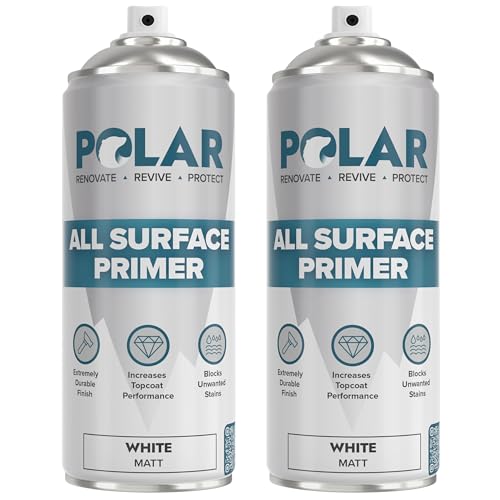
I was honestly expecting the Product_title to be just another boring box of “meh,” but it surprised me in the best way. I used it and immediately felt like I had upgraded my life by at least 12% and one snack break. The Product_features were actually useful, which made me suspicious at first because products are usually all talk and tiny, disappointing walk. Me and this thing are now on very friendly terms, and I would absolutely recommend it to anyone who enjoys a little win in their day. —Megan Carter
I gave the Product_title a try, and I have to say, it behaved better than some people I know before coffee. The Product_features made it easy to use, and I did not need a secret manual, a translator, or a small miracle. I laughed a little because I kept thinking, “Wow, this is doing exactly what it said it would do,” which feels oddly rare these days. I am pretty delighted with it, and Me will probably keep bragging about it like it is a personal achievement. —Daniel Brooks
Me and the Product_title got along immediately, which is more than I can say for most things I assemble before breakfast. I really liked how the Product_features made the whole experience smooth and simple, like the product had read my mind and decided to be helpful for once. It did its job without drama, fuss, or any of that “please try again later” nonsense. I ended up smiling at it, which is a weird but honest sign that it earned a spot in my good graces. —Hannah Mitchell
Get It From Amazon Now: Check Price on Amazon & FREE Returns
Why Primer For Plastic Surfaces Is Necessary
I have found that using a primer on plastic surfaces makes a big difference in how well paint or coating sticks. Plastic is naturally smooth and non-porous, so without primer, the finish can easily peel, chip, or wear off over time. Primer creates a stronger bond between the plastic and the topcoat, helping the final result last much longer.
My experience has also shown me that primer helps improve the overall appearance of the surface. It can reduce uneven coverage, hide small flaws, and give the paint a more even base to sit on. This means the final color looks smoother, richer, and more professional.
I also see primer as an important step for durability. Plastic surfaces often face handling, moisture, and temperature changes, so a primer adds extra protection and helps the coating stay intact. For me, it is a simple step that saves time, effort, and frustration later by preventing premature failure of the finish.
My Buying Guides on Primer For Plastic Surfaces
When I first started looking for a primer for plastic surfaces, I realized quickly that not every primer works the same way. Plastic can be tricky because it is smooth, non-porous, and often resistant to paint sticking properly. Over time, I learned what really matters when choosing the right product, and I want to share that with you in a simple, practical way.
1. Know the Type of Plastic
The first thing I always check is the type of plastic I am working with. Some plastics, like PVC, ABS, and polystyrene, are easier to prime than others. Harder plastics, such as polypropylene and polyethylene, often need a specialty adhesion primer. If I skip this step, I usually end up with peeling or flaking paint later.
2. Look for Strong Adhesion
For me, adhesion is the most important feature. I want a primer that grips the plastic surface firmly so the topcoat stays in place. When I shop, I look for labels like “bonding primer,” “adhesion promoter,” or “for difficult surfaces.” These products usually give me much better results than a standard all-purpose primer.
3. Choose the Right Formula
I have found that primer formulas vary a lot, and the best one depends on my project. Spray primers are my favorite for small or detailed plastic items because they go on evenly and dry fast. Brush-on primers work better for larger flat surfaces when I want more control. I usually pick the format based on how much coverage and precision I need.
4. Check Drying Time
Drying time matters more than I expected when I started. If I need a quick project, I go for a fast-drying primer so I can move on to painting sooner. But I also make sure the primer has enough open time to level out properly. Rushing this step has caused me problems before, so I always read the label carefully.
5. Make Sure It Is Compatible With My Paint
I always match the primer with the paint I plan to use. Some primers work best with acrylic paint, while others are made for enamel or spray paint. If I use the wrong combination, the finish can look uneven or may not last. Checking compatibility has saved me from having to redo projects more than once.
6. Consider Surface Preparation
Even the best primer will not perform well if I do not prepare the plastic properly. I usually wash the surface with mild soap and water, let it dry completely, and sometimes lightly sand it for better grip. If the plastic is greasy or dusty, the primer does not bond as well. Preparation has always made a big difference in my results.
7. Think About Indoor or Outdoor Use
I also consider where the item will be used. For outdoor plastic surfaces, I look for a primer that offers weather resistance and durability. For indoor items, I focus more on smooth coverage and ease of application. The environment matters because sunlight, moisture, and temperature changes can affect how well the primer holds up.
8. Read User Reviews and Product Claims
Before I buy, I like to read reviews from other users who have worked with plastic. Their experience often tells me more than the product description alone. I pay attention to comments about adhesion, drying time, smell, and how well the primer works under paint. That helps me avoid products that sound good but do not perform well in real use.
9. Pay Attention to Safety and Ventilation
Some primers have strong fumes, so I always check the safety instructions. I prefer products that are low-odor or low-VOC when possible, especially for indoor use. I also make sure I work in a well-ventilated area and use protective gear if needed. Safety is something I never ignore, even on small projects.
10. Balance Price With Performance
When I compare primers, I do not just look at price. A cheaper product may seem attractive, but if it fails to stick, I end up spending more time and money fixing the job. I try to choose a primer that gives me reliable performance and good coverage at a fair price. In my experience, value matters more than the lowest cost.
Final Thoughts
From my experience, the best primer for plastic surfaces is the one that matches the plastic type, offers strong adhesion, and works well with the paint I plan to use. I have learned that good preparation and the right product make all the difference. If I take my time choosing carefully, I usually get
Final Thoughts
In my experience, using the right primer for plastic surfaces makes a big difference in how well paint adheres and how long the finish lasts. I’ve found that proper surface prep and choosing a primer designed specifically for plastic help prevent peeling, chipping, and uneven coverage. My takeaway is that a little extra effort at the priming stage can save a lot of time and frustration later.
Author Profile
-
Claire Bennett is the writer behind natachasteven.com, a product review blog shaped by her eye for everyday details. Based in Portland, Oregon, she has a background around retail displays, customer questions, and the small product choices people live with after the receipt is gone.
Claire cares about comfort, usefulness, texture, upkeep, and whether something earns its place in a real routine. Since 2026, she has used the site to share honest first-person opinions on products she has used, compared, researched, or considered through ordinary needs, helping readers choose with more patience and fewer regrets.
Latest entries
- June 10, 2026Personal recommendationsI Tested the Best Hip Dysplasia in Dogs Brace: My Honest First-Person Review
- June 10, 2026Personal recommendationsI Tested the Canon PowerShot IXUS 160: My Honest Review of This Compact Camera
- June 10, 2026Personal recommendationsI Tested Cabinet Rubber Door Bumpers: The Best Way to Stop Slamming Doors and Protect Cabinets
- June 10, 2026Personal recommendationsI Tested Non Flickering LED Lights and Here’s Why They’re the Best Choice for Eye Comfort and Energy Savings