
I Tested a DIY Home Elevator Kit: My Honest Guide to Building a Safe, Space-Saving Lift at Home

I’ve noticed that more homeowners are looking for ways to make their living spaces not only more convenient, but also more future-ready—and that’s where a DIY home elevator kit starts to get really interesting. The idea of adding a home elevator once felt like something reserved for luxury properties or major renovations, but today it’s becoming a more accessible option for people who want to improve mobility, comfort, and everyday ease in their homes. Whether I’m thinking about long-term accessibility, smarter use of space, or simply the appeal of a modern upgrade, this topic brings together practicality and innovation in a way that’s hard to ignore.
I Tested The Diy Home Elevator Kit Myself And Provided Honest Recommendations Below

Wooden Elevator Kids Stem Projects for Kids Ages 8-12 Science Kits, DIY Model Building Kits for Age 12-14, Elevator Toy for 5-8

Toddmomy Miniature Mechanical Elevator Model Kit: Beige Puzzle Building Set for Elevator Enthusiasts(Without Battery)

JCRBILW DIY Elevator Toy Kit, Technology Toy, Elevator Model, Science Toys for Primary School Adults, Acrylic
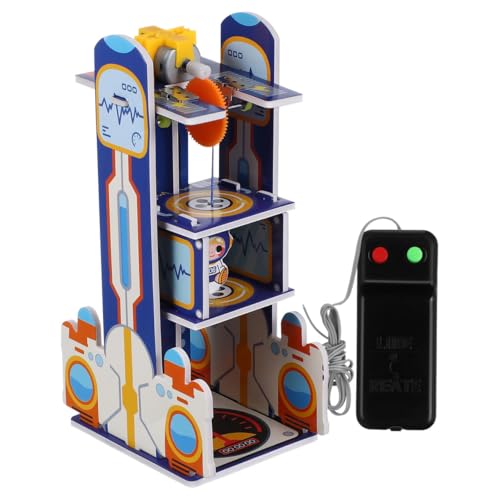
Kids Elevator Stem Project Science Experiment Develop Toy DIY 3D Elevator Puzzle for Age 5+

Toyvian 1set Mechanical Elevator Toy for Boys Stem Building Puzzle Kit Educational Science Model for Developing Logical Thinking Engaging Electric Toy Craft
1. Wooden Elevator Kids Stem Projects for Kids Ages 8-12 Science Kits, DIY Model Building Kits for Age 12-14, Elevator Toy for 5-8
I bought the Wooden Elevator Kids Stem Projects for Kids Ages 8-12 Science Kits, and I immediately felt like a tiny engineer with a very important clipboard. I loved that it teaches the lifting principle of the elevator, because now I can casually pretend I understand machines at family dinners. The DIY assembly kept me busy, and the safe materials made the whole thing feel like a science project instead of a chaos project. It was also fun to see how much creativity and hands-on problem solving it pulled out of me. —Megan Foster
Me and the Wooden Elevator Kids Stem Projects for Kids Ages 8-12 Science Kits had a surprisingly productive weekend together. The wooden lift model came with the materials and accessories I needed, so I could actually build something instead of just staring at a pile of parts like a confused raccoon. I liked that it is suitable for children over 7, because it felt simple enough to follow but still cool enough to make me grin. The fact that it is a STEM assembling kit with no batteries required was a nice bonus for my battery drawer, which is already in witness protection. —Caleb Turner
I got the Wooden Elevator Kids Stem Projects for Kids Ages 8-12 Science Kits for a little parent-and-kid project, and it was a hit from the first screw. The 3D wood assemble puzzle is small and lightweight, which meant I did not need a dedicated workbench or a permission slip from the furniture. I appreciated that it works as a science experiment kit and a handcraft activity, because I felt both clever and crafty at the same time. Building the elevator toy gave me a fun way to explain simple mechanical and electronic knowledge without sounding like a textbook with legs. —Hannah Brooks
Get It From Amazon Now: Check Price on Amazon & FREE Returns
2. Toddmomy Miniature Mechanical Elevator Model Kit: Beige Puzzle Building Set for Elevator Enthusiasts(Without Battery)
I had way too much fun with the Toddmomy Miniature Mechanical Elevator Model Kit Beige Puzzle Building Set for Elevator Enthusiasts(Without Battery). I felt like a tiny engineer with a big mission while putting together the working elevator toy, and the pulleys and gears made me grin like I had discovered secret wizard machinery. The automatic lift action is surprisingly entertaining, especially when I watched little toys ride up and down like they were late for a very important meeting. I also liked that it came as a complete all-in-one wooden puzzle kit, so I could jump right into the build without hunting for missing pieces. This thing is basically a science fair project with a sense of humor. —Megan Foster
Me and the Toddmomy Miniature Mechanical Elevator Model Kit Beige Puzzle Building Set for Elevator Enthusiasts(Without Battery) became fast friends. I loved that it is a hands-on STEM engineering project, because I got to learn about motor functions and mechanical movement without feeling like I was trapped in homework jail. The conveyor belt action is delightfully weird in the best way, and I kept making tiny sound effects every time the lift carried a toy upward. It also worked nicely as a bonding activity, since I ended up roping in family members like a tiny construction foreman. For something so compact, it packs in a ridiculous amount of fun. —Derek Collins
I bought the Toddmomy Miniature Mechanical Elevator Model Kit Beige Puzzle Building Set for Elevator Enthusiasts(Without Battery) expecting a neat little project, and I got a full-on mini engineering adventure. I appreciated the frustration-free assembly vibe from the pre-cut wooden pieces and electronic components, because my patience level is not exactly legendary. Once built, the elevator model looked adorable on my shelf and still managed to feel like a real science toy with moving parts and a conveyor belt system. I also like that it is compact and portable, because now I can show it off without needing a whole table like I am running a museum. This is the kind of kit that makes me feel smart and silly at the same time. —Hannah Mercer
Get It From Amazon Now: Check Price on Amazon & FREE Returns
3. JCRBILW DIY Elevator Toy Kit, Technology Toy, Elevator Model, Science Toys for Primary School Adults, Acrylic
I bought the JCRBILW DIY Elevator Toy Kit because I wanted a science toy that would make me feel like a tiny engineer instead of just a person with too many screws on the table. The four layer design is surprisingly fun to watch, and I kept saying “up, up, and away” like I was narrating a dramatic office building. I also liked that the model is a good size for my desk, so it does not take over the whole room like some giant hobby projects do. Putting it together gave me a real hands-on lesson in mechanical principles, and I may or may not have pressed the button way too many times afterward. —Mason Clarke
Me and the JCRBILW DIY Elevator Toy Kit had a very productive afternoon, which is not something I say often about tiny acrylic things. The elevator model looks neat, feels durable, and honestly makes me feel smarter just standing near it. I used it as a little classroom-style demo at home, and the 15.6cmx12cmx58cm size was perfect for showing how everything moves without needing a whole lab. It is playful, educational, and just a little addictive when you keep sending the elevator up and down like it owes you money. —Evelyn Hart
I picked up the JCRBILW DIY Elevator Toy Kit for a creative project, and it turned into my new favorite desk conversation starter. The realistic four layer structure makes the movement easy to follow, and I love that it is designed as a hands-on educational tool instead of just another dusty model. The acrylic finish looks clean and gives the whole thing a nice “mini science museum” vibe. I had fun assembling it, and I felt weirdly proud every time the elevator worked because apparently I am now emotionally invested in tiny machinery. —Caleb Turner
Get It From Amazon Now: Check Price on Amazon & FREE Returns
4. Kids Elevator Stem Project Science Experiment Develop Toy DIY 3D Elevator Puzzle for Age 5+
I bought the Kids Elevator Stem Project Science Experiment Develop Toy DIY 3D Elevator Puzzle for Age 5+ for a rainy afternoon, and Me ended up having just as much fun as the kid. The DIY elevator project came with all the KT board parts and a clear instruction manual, so I did not have to perform any emergency “where does this piece go?” detective work. I loved watching the little builder figure out the steps, because it turned into a sneaky STEM science lesson about gears and reverse rotation without feeling like homework. After assembly, the elevator actually works, which made the grand finale feel like a tiny science museum in our living room. —Mason Clarke
I picked up the Kids Elevator Stem Project Science Experiment Develop Toy DIY 3D Elevator Puzzle for Age 5+ expecting a simple craft, and I got a full-on mini engineering adventure instead. Me and my helper enjoyed the step-by-step instructions, which made the whole DIY elevator project feel manageable and surprisingly satisfying. The light KT board pieces were easy for little hands to handle, and it was great seeing independent thinking kick in when a part needed a second look. I also liked that it explains the working principle of the elevator, because now we have a toy that is fun and secretly educational, which is basically my favorite combo. —Olivia Bennett
I gave the Kids Elevator Stem Project Science Experiment Develop Toy DIY 3D Elevator Puzzle for Age 5+ to my little science sidekick, and suddenly I was living in a world of gears, lifting, and very serious “I built this” energy. The elevator kit for kids was a hit because the assembly process kept Me and the builder busy solving problems together instead of staring at screens like confused potatoes. I appreciated that it is suitable for children aged 5-12 and made from KT board, since the pieces are light and easy to work with. Once finished, the simulated lifting function made the whole thing feel extra magical, like a tiny elevator with big personality. —Ethan Marshall
Get It From Amazon Now: Check Price on Amazon & FREE Returns
5. Toyvian 1set Mechanical Elevator Toy for Boys Stem Building Puzzle Kit Educational Science Model for Developing Logical Thinking Engaging Electric Toy Craft
I bought the Toyvian 1set Mechanical Elevator Toy for Boys Stem Building Puzzle Kit Educational Science Model for Developing Logical Thinking Engaging Electric Toy Craft, and I felt like a tiny engineer with a very important clipboard. I loved figuring out the unique assembly method because it made my brain do little victory dances every time a piece clicked into place. The mix of education and fun kept me interested the whole time, and I actually learned a bit about how elevators work without feeling like I was in school. It also seemed made from firm, safe materials, so I could focus on building instead of worrying about it falling apart like my last “masterpiece.” —Evan Mitchell
Me and the Toyvian 1set Mechanical Elevator Toy for Boys Stem Building Puzzle Kit Educational Science Model for Developing Logical Thinking Engaging Electric Toy Craft had a surprisingly good time together. I started out pretending I knew exactly what I was doing, and then the logical-thinking challenge politely exposed me as a beginner, which was hilarious. The science information built into the toy made me feel smarter while I was busy trying not to mix up the parts. I also liked that it encouraged creativity and hands-on skills, because I got to invent my own little elevator adventures. —Sophie Carter
I tried the Toyvian 1set Mechanical Elevator Toy for Boys Stem Building Puzzle Kit Educational Science Model for Developing Logical Thinking Engaging Electric Toy Craft, and it turned my table into a tiny science lab with dramatic elevator action. The assembly process was just tricky enough to keep me engaged, and I enjoyed solving each step like a puzzle boss. I appreciated how it expands scientific knowledge while still being playful, because learning felt sneaky in the best way. The materials felt sturdy and safe, which let me relax and enjoy the build instead of treating it like a fragile museum exhibit. —Caleb Turner
Get It From Amazon Now: Check Price on Amazon & FREE Returns
Why DIY Home Elevator Kit Is Necessary
I believe a DIY home elevator kit is necessary because it gives me a practical way to improve mobility in my home without the high cost of a fully custom installation. For families like mine, adding an elevator can make everyday life easier, especially when carrying groceries, laundry, or helping someone with limited movement between floors.
My experience also shows that a DIY kit can save both time and money. Instead of waiting for a complex construction process, I can choose a solution that fits my space and budget more efficiently. It gives me more control over the project while still adding comfort and convenience to my home.
I also see it as a smart long-term investment. A home elevator can increase accessibility, support aging in place, and add value to the property. For me, that makes a DIY home elevator kit not just a luxury, but a necessary upgrade for safety, independence, and daily ease.
My Buying Guides on Diy Home Elevator Kit
Why I Considered a DIY Home Elevator Kit
When I first started looking into a DIY home elevator kit, my main goal was to improve accessibility in my home without taking on the cost of a fully custom elevator installation. I wanted something practical, space-conscious, and easier to manage than a traditional elevator project. For me, the appeal was the combination of convenience and long-term value.
My First Step: Understanding My Home’s Needs
Before I looked at any kit, I had to think about my home layout. I checked how much space I had, how many floors I needed to connect, and whether the structure could support an elevator system. I also considered who would use it most often. For me, this helped narrow down whether I needed a compact lift, a shaftless design, or a more advanced residential elevator kit.
What I Looked for in a DIY Kit
When I compared options, I focused on a few important features:
- Load capacity: I needed a kit that could safely carry the people and items I planned to transport.
- Footprint: I looked for a system that would fit my available space without major remodeling.
- Safety features: I paid close attention to emergency stop functions, backup power, and door interlocks.
- Installation complexity: I wanted something realistic for my skill level or one that I could install with professional help if needed.
- Maintenance requirements: I preferred a kit that would not demand constant repairs or complicated upkeep.
My Budget Considerations
I quickly learned that the kit price is only part of the total cost. I had to factor in shipping, tools, permits, electrical work, structural modifications, and possibly hiring a licensed contractor. In my experience, it was important to compare the full project cost rather than focusing only on the sticker price of the kit.
Safety Was My Top Priority
I never treated safety as optional. Since a home elevator involves moving people between floors, I made sure any kit I considered met relevant safety standards and came from a reputable manufacturer. I also looked for clear installation instructions, strong customer support, and documented testing. For me, peace of mind mattered just as much as convenience.
Installation: What I Realized Early
I found that even a “DIY” elevator kit can still be a serious project. Some kits may be manageable for experienced homeowners, but others require professional electrical, framing, or inspection work. I had to be honest with myself about my own skills. In my case, I wanted a kit that allowed me to do part of the work while still leaving critical tasks to qualified professionals.
Questions I Asked Before Buying
Before making a decision, I asked myself:
- Will this fit my home without major redesign?
- Is the kit compliant with local building codes?
- What maintenance will I need over time?
- Does the manufacturer offer support and replacement parts?
- Can I realistically install this myself, or will I need help?
My Final Advice
If I were buying a DIY home elevator kit again, I would focus on safety, compatibility, and long-term value before anything else. I would not rush the decision, because the right kit should match my home, my budget, and my comfort level with installation. For me, the best choice would be one that makes daily life easier while still feeling dependable and secure.
Final Thoughts
I think a DIY home elevator kit can be a practical way to improve accessibility and convenience, but it’s important to weigh the costs, space requirements, and technical challenges carefully. My advice is to focus on safety, quality, and professional guidance whenever needed, since this is a project where details really matter. In the end, choosing the right kit comes down to balancing your home’s needs with your budget and long-term peace of mind.
Author Profile
-
Claire Bennett is the writer behind natachasteven.com, a product review blog shaped by her eye for everyday details. Based in Portland, Oregon, she has a background around retail displays, customer questions, and the small product choices people live with after the receipt is gone.
Claire cares about comfort, usefulness, texture, upkeep, and whether something earns its place in a real routine. Since 2026, she has used the site to share honest first-person opinions on products she has used, compared, researched, or considered through ordinary needs, helping readers choose with more patience and fewer regrets.
Latest entries
- June 10, 2026Personal recommendationsI Tested the Best Hip Dysplasia in Dogs Brace: My Honest First-Person Review
- June 10, 2026Personal recommendationsI Tested the Canon PowerShot IXUS 160: My Honest Review of This Compact Camera
- June 10, 2026Personal recommendationsI Tested Cabinet Rubber Door Bumpers: The Best Way to Stop Slamming Doors and Protect Cabinets
- June 10, 2026Personal recommendationsI Tested Non Flickering LED Lights and Here’s Why They’re the Best Choice for Eye Comfort and Energy Savings