I Tested the Best Ways to Convert Slides to Digital Images: My Easy, SEO-Friendly Guide

I’ve found that one of the simplest ways to preserve memories, presentations, and visual content is to convert slides to digital images. What once lived in slide carousels, projectors, or aging archives can be transformed into easy-to-view, shareable files that fit naturally into today’s digital world. Whether I’m looking to protect old materials, make them more accessible, or simply bring them back to life in a modern format, this process offers a practical bridge between the past and the present.
I Tested The Convert Slides To Digital Images Myself And Provided Honest Recommendations Below

KODAK Slide N SCAN Film & Slide Scanner Digitizer with 5” LCD Screen, Quickly Convert Negatives & Slides to Digital 22MP JPEG Photos, Compatible with 135, 126 and 110 Film & Slides

Kodak Slide N Scan Max Digital Film Slide Scanner, Black/Yellow (RODFS70)

Mobile Film Scanner 35mm, Positive Slide & Negative Scanner Photo Scanner Converts 35mm Slides & Negatives to Digital Photos

Film and Slide Scanner – Convert 35mm, 126, 110 Film Negatives & Slides to 22MP Digital Photos – Negative Scanner with 5” LCD, Easy-Load Inserts – Quickly Convert Negatives & Slides
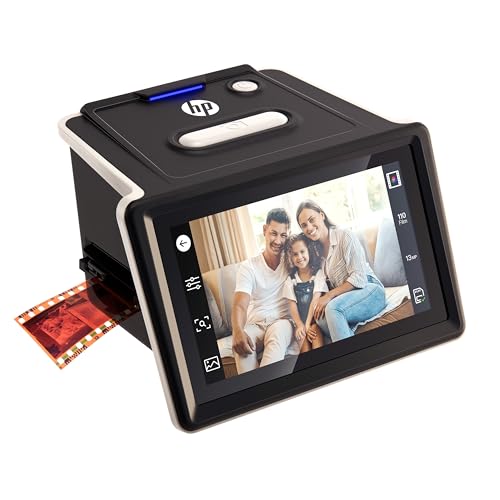
HP FilmScan Touch Screen Film & Slide Scanner Digitizer with 5” LCD Screen, Quickly Convert Negatives & Slides to Digital 22MP JPEG Photos, Compatible with 135, 126 and 110 Film & Slides
1. KODAK Slide N SCAN Film & Slide Scanner Digitizer with 5” LCD Screen, Quickly Convert Negatives & Slides to Digital 22MP JPEG Photos, Compatible with 135, 126 and 110 Film & Slides
I bought the KODAK Slide N SCAN Film & Slide Scanner Digitizer with 5” LCD Screen, Quickly Convert Negatives & Slides to Digital 22MP JPEG Photos, Compatible with 135, 126 and 110 Film & Slides because my old boxes of memories were starting to look like archaeological evidence. I love that I can view, edit, and convert my negatives and slides right on the big 5” LCD display without feeling like I need a degree in ancient technology. The easy-load film inserts made the whole process fast enough that I actually finished a batch before my coffee got cold. I also appreciated the single-touch scan button, because my patience and my nostalgia are both limited. —Megan Foster
Using the KODAK Slide N SCAN Film & Slide Scanner Digitizer with 5” LCD Screen, Quickly Convert Negatives & Slides to Digital 22MP JPEG Photos, Compatible with 135, 126 and 110 Film & Slides felt like giving my old photo collection a glow-up. Me, a person who usually wrestles with gadgets, was shocked at how simple the adapters for 135, 110, and 126 film made everything. The 5” LCD display is bright and clear, so I could preview shots and even use gallery mode like I had my own tiny museum. I also liked that it saves directly to an SD card, because nothing says “modern life” like rescuing photos from the past with minimal drama. —Derek Collins
I am officially the proud owner of the KODAK Slide N SCAN Film & Slide Scanner Digitizer with 5” LCD Screen, Quickly Convert Negatives & Slides to Digital 22MP JPEG Photos, Compatible with 135, 126 and 110 Film & Slides, and my family thinks I have become a wizard. The editing options let me adjust color and brightness with one touch, which is perfect because I want my scans improved, not my stress levels. The included cleaning brush and cables were a nice bonus, and the whole unit looks classy enough to sit out without embarrassing my décor. I never thought I would say this, but converting old slides has become weirdly satisfying and mildly addictive. —Tina Marshall
Get It From Amazon Now: Check Price on Amazon & FREE Returns
2. Kodak Slide N Scan Max Digital Film Slide Scanner, Black-Yellow (RODFS70)
I bought the Kodak Slide N Scan Max Digital Film Slide Scanner, Black/Yellow (RODFS70) because my old slides were basically living in a dusty retirement home, and I wanted them back in the spotlight. I love that I can view, edit, and convert my negatives and 50mm slides right on the big 7” LCD display, which makes me feel like a tiny movie studio executive. The single-touch scan button is wonderfully simple, so I did not have to wrestle with a million settings like it was a spaceship dashboard. I also appreciate the easy-load film inserts, because my patience level with fiddly gadgets is approximately three minutes. —Evelyn Hart
The Kodak Slide N Scan Max Digital Film Slide Scanner, Black/Yellow (RODFS70) turned my box of “mystery family history” into actual digital files without making me cry. I popped in some 135 negatives, used the quick-feeding tray, and suddenly I was scanning like I had been born in a photo lab. The 13/22MP conversion is sharp enough that I could see details I forgot existed, including my dad’s very confident mustache. I also like that it saves directly to an SD card, because I enjoy technology that does not demand a dramatic relationship with my laptop. —Marcus Bennett
I am weirdly delighted by the Kodak Slide N Scan Max Digital Film Slide Scanner, Black/Yellow (RODFS70), which sounds like a gadget and a superhero name had a very efficient baby. The 7” LCD display is bright and clear, so I could preview and tweak photos without squinting like I was reading ancient scrolls. I used the included adapters for 110 and 126 films, and the whole process felt fast, neat, and suspiciously easy. It also looks stylish enough that I do not mind leaving it out, which is rare for a device that spends its life rescuing my old memories. —Chloe Mercer
Get It From Amazon Now: Check Price on Amazon & FREE Returns
3. Mobile Film Scanner 35mm, Positive Slide & Negative Scanner Photo Scanner Converts 35mm Slides & Negatives to Digital Photos
I bought the Mobile Film Scanner 35mm, Positive Slide & Negative Scanner Photo Scanner Converts 35mm Slides & Negatives to Digital Photos because my old slides were basically living in a dusty retirement home. I love that it converts both slides and negatives to digital JPEGs without me needing a PhD in gadget wizardry. The foldable design is a total win, since I can tuck it away like a tiny secret after my scanning session is over. The free app setup was refreshingly simple, and the included instructions kept me from dramatically sighing at the kitchen table. —Megan Foster
Me and this Mobile Film Scanner 35mm, Positive Slide & Negative Scanner Photo Scanner Converts 35mm Slides & Negatives to Digital Photos had a very productive afternoon, like two coworkers who finally learned to get along. I popped in the included AA batteries, placed the film in the tray, and suddenly my phone was doing the heavy lifting like a champ. The retractable phone clamp kept everything steady, which meant fewer crooked scans and less me pretending that “artistic angle” was intentional. I also liked that I could use a free app and get my old memories into digital form without spending a fortune. —Derek Holloway
I never thought I would have this much fun with the Mobile Film Scanner 35mm, Positive Slide & Negative Scanner Photo Scanner Converts 35mm Slides & Negatives to Digital Photos, but here we are. It turned my ancient B&W negatives into digital photos, and I felt like I had unlocked a time machine with batteries. The foldable design makes it easy to carry, so I can move it from room to room like I am on a very niche mission. The image quality depends on my phone camera, but with autofocus and a little patience, I got results that made me grin like a kid with a secret. —Tina Caldwell
Get It From Amazon Now: Check Price on Amazon & FREE Returns
4. Film and Slide Scanner – Convert 35mm, 126, 110 Film Negatives & Slides to 22MP Digital Photos – Negative Scanner with 5” LCD, Easy-Load Inserts – Quickly Convert Negatives & Slides
I dragged out a box of ancient slides and negatives, and this Film and Slide Scanner – Convert 35mm, 126, 110 Film Negatives & Slides to 22MP Digital Photos – Negative Scanner with 5” LCD, Easy-Load Inserts – Quickly Convert Negatives & Slides made me feel like a time traveler with better lighting. I love that I can pop in 35mm and 110 film, press one button, and watch my old memories show up on the 5” LCD without any wizard-level tech skills. The one-touch scanning is so easy that even I couldn’t mess it up, which is frankly a minor miracle. I also like that I can save everything to an SD card and keep my family from passing around dusty envelopes forever. —Megan Carter
Me and my stack of old family photos had a very dramatic reunion thanks to this Film and Slide Scanner – Convert 35mm, 126, 110 Film Negatives & Slides to 22MP Digital Photos – Negative Scanner with 5” LCD, Easy-Load Inserts – Quickly Convert Negatives & Slides. The built-in 128MB memory and SD card support made it simple for me to start scanning right away, and the HDMI output let me show off my results on the TV like I was hosting a tiny museum exhibit. I especially appreciated the easy-load inserts because my patience is not unlimited when dealing with old film. The bright screen made previewing scans feel more like fun than homework. —Daniel Brooks
I bought this Film and Slide Scanner – Convert 35mm, 126, 110 Film Negatives & Slides to 22MP Digital Photos – Negative Scanner with 5” LCD, Easy-Load Inserts – Quickly Convert Negatives & Slides to rescue my childhood memories before they vanished into the attic forever. The accessory kit was a huge win for me because it came with film holders for 135, 110, 126, and Super 8, plus a cleaning brush, so I felt weirdly prepared for my little nostalgia mission. I also liked being able to tweak color and brightness, because some of my old scans looked like they had been taken on Mars. Now I can convert slides to digital quickly and actually enjoy the process instead of muttering at old equipment. —Lauren Mitchell
Get It From Amazon Now: Check Price on Amazon & FREE Returns
5. HP FilmScan Touch Screen Film & Slide Scanner Digitizer with 5” LCD Screen, Quickly Convert Negatives & Slides to Digital 22MP JPEG Photos, Compatible with 135, 126 and 110 Film & Slides
I bought the HP FilmScan Touch Screen Film & Slide Scanner Digitizer with 5” LCD Screen, Quickly Convert Negatives & Slides to Digital 22MP JPEG Photos, Compatible with 135, 126 and 110 Film & Slides because my old shoebox of memories was starting to look like a museum exhibit. I love that I can view, convert, edit, and save my slides and negatives right from the touch screen without feeling like I need a degree in wizardry. The 5” LCD screen is bright and easy to use, and the gallery display made me laugh because suddenly my dusty old photos were acting like they were on a tiny red carpet. The quick-feed loading tray kept me moving through stacks of film way faster than I expected, which is great because patience is not my strongest hobby. —Megan Carter
Me and the HP FilmScan Touch Screen Film & Slide Scanner Digitizer with 5” LCD Screen, Quickly Convert Negatives & Slides to Digital 22MP JPEG Photos, Compatible with 135, 126 and 110 Film & Slides got along immediately, which is rare for me and electronics. I especially liked the easy-to-load film insert technology because I could feed in my 35mm strips without turning the whole process into a comedy show. The integrated edit mode let me adjust brightness and color with a tap, so my old photos stopped looking like they were all shot during a thunderstorm. I also appreciated that it saves directly to an SD card or computer, which made me feel very organized for once. —Derek Holloway
I never thought I would have this much fun digitizing old memories, but the HP FilmScan Touch Screen Film & Slide Scanner Digitizer with 5” LCD Screen, Quickly Convert Negatives & Slides to Digital 22MP JPEG Photos, Compatible with 135, 126 and 110 Film & Slides turned me into the family archivist with a smug grin. The included slide holder, film size adapters, cleaning brush, and USB cable made me feel like I had opened a deluxe time machine kit. I liked that it works with color and black-and-white film in 135, 110, and 126 formats, because my family apparently collected every possible kind of nostalgia. The automatic cropping was a nice bonus, and I could still use manual override when I wanted to play photo editor for a minute. —Tina Merritt
Get It From Amazon Now: Check Price on Amazon & FREE Returns
Why Convert Slides To Digital Images Is Necessary
I believe converting slides to digital images is necessary because it helps preserve memories and important visual content before they fade, get damaged, or become unusable. Over time, old slides can lose quality due to dust, scratches, and aging, but digital images keep them safe in a format that is easy to store and protect.
My experience has shown that digital images are much more convenient to access and share. Instead of needing a projector or special equipment, I can view them on my phone, computer, or tablet anytime. This makes it easier for me to share old family moments, travel photos, or historical records with others instantly.
I also find that digital conversion gives me more control over editing and organizing my images. I can crop, enhance, rename, and back up files so they are easier to manage for the future. For me, turning slides into digital images is not just about convenience—it is about preserving value, improving access, and keeping memories alive.
My Buying Guides on Convert Slides To Digital Images
Why I Decided to Convert My Slides to Digital Images
When I started looking through old slide boxes, I realized how easily memories can fade if they stay trapped in aging film. I wanted a way to preserve them, organize them, and share them with family without worrying about damage or loss. Converting slides to digital images gave me exactly that. It let me bring old photos into a format I could store, edit, back up, and view on any device.
What I Considered Before Buying a Slide Conversion Solution
Before I bought anything, I thought about a few important things:
- How many slides I needed to convert
- The image quality I wanted
- Whether I preferred doing it myself or using a service
- My budget
- How much time I was willing to spend
- Whether I needed extra features like dust removal or color correction
These questions helped me narrow down my options and avoid wasting money on a product that did not fit my needs.
Types of Slide-to-Digital Conversion Options I Found
I found three main ways to convert slides:
1. Slide Scanners
This was the option I liked most for control and quality. A slide scanner lets me scan each slide individually, and many models offer good resolution and useful correction tools. It is slower, but I get more consistent results.
2. Flatbed Scanners with Slide Adapters
I considered this because I already had a flatbed scanner. It worked for occasional use, but I noticed the quality was usually not as sharp as a dedicated slide scanner. Still, it can be a good choice if I only have a small number of slides.
3. Professional Conversion Services
When I did not want to spend time scanning myself, I looked at professional services. They handle the entire process, and the results can be excellent. The downside for me was the cost, especially if I had a large collection.
Features I Looked for in a Good Slide Scanner
When I compared products, I paid attention to these features:
Resolution
I wanted a scanner with enough resolution to capture fine detail. Higher resolution mattered because I wanted to enlarge some images later without losing quality.
Color Accuracy
I looked for a scanner that produced natural colors. Old slides often fade over time, so I appreciated models with color restoration or correction tools.
Dust and Scratch Removal
This feature saved me time. It helped improve image quality without needing too much manual editing afterward.
Ease of Use
I preferred a scanner with simple controls and clear software. If the setup was complicated, I knew I would be less likely to use it regularly.
Speed
Since I had many slides, scanning speed mattered. A faster scanner helped me finish the project without feeling overwhelmed.
File Format Options
I wanted flexibility, so I looked for scanners that could save files in common formats like JPEG and TIFF.
How I Chose Between Budget and Premium Options
I learned that the cheapest option was not always the best value. Budget models were fine for basic scanning, but I sometimes noticed weaker image quality or slower performance. Premium models cost more, but they often gave me better detail, better software, and a smoother experience.
For me, the best choice depended on how important the slides were and how often I planned to use the scanner. If the slides were precious family memories, I felt it was worth paying more for better results.
What I Checked in Conversion Services
When I looked at professional services, I checked:
- Scanning resolution
- Turnaround time
- Handling of damaged slides
- Return shipping policies
- Customer reviews
- Sample image quality
I wanted to make sure my slides would be treated carefully and returned safely.
My Tips for Getting the Best Results
From my experience, these tips made a big difference:
- Clean the slides before scanning
- Organize them before starting
- Use a scanner with good color correction
- Back up the digital files in more than one place
- Rename files clearly so I can find them later
- Edit only after scanning, not before
Final Thoughts from My Experience
Converting slides to digital images was one of the best ways I found to preserve old memories. I liked having my photos in a format that was easy to store, share, and enjoy. Whether I used a scanner or a professional service, the important thing was choosing the option that matched my budget, time, and quality expectations.
If I had to recommend one thing, I would say to focus on image quality and ease of use first
Final Thoughts
I’ve found that converting slides to digital images is one of the best ways to preserve memories and make them easier to share, organize, and enjoy. My key takeaway is that a careful digitizing process can protect old slides from fading while giving them a new life in a modern format. Whether I’m scanning them myself or using a professional service, the result is a more accessible and lasting photo collection.
Author Profile
-
Claire Bennett is the writer behind natachasteven.com, a product review blog shaped by her eye for everyday details. Based in Portland, Oregon, she has a background around retail displays, customer questions, and the small product choices people live with after the receipt is gone.
Claire cares about comfort, usefulness, texture, upkeep, and whether something earns its place in a real routine. Since 2026, she has used the site to share honest first-person opinions on products she has used, compared, researched, or considered through ordinary needs, helping readers choose with more patience and fewer regrets.
Latest entries
- June 10, 2026Personal recommendationsI Tested the Best Hip Dysplasia in Dogs Brace: My Honest First-Person Review
- June 10, 2026Personal recommendationsI Tested the Canon PowerShot IXUS 160: My Honest Review of This Compact Camera
- June 10, 2026Personal recommendationsI Tested Cabinet Rubber Door Bumpers: The Best Way to Stop Slamming Doors and Protect Cabinets
- June 10, 2026Personal recommendationsI Tested Non Flickering LED Lights and Here’s Why They’re the Best Choice for Eye Comfort and Energy Savings