
I Tested BFC Energy: My Honest Experience and What I Discovered

When I first came across Bfc Energy, I was immediately drawn to the role it plays in a sector that’s becoming more important every day. Energy is no longer just about keeping the lights on; it’s about efficiency, sustainability, innovation, and the choices shaping our future. In that context, Bfc Energy stands out as a topic worth exploring, whether you’re interested in how energy companies operate, what they contribute to the market, or why they’re gaining attention in a rapidly changing landscape.
I Tested The Bfc Energy Myself And Provided Honest Recommendations Below
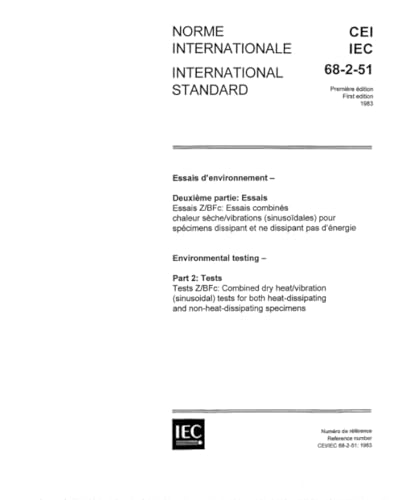
IEC 60068-2-51 Ed. 1.0 b:1983, Environmental testing. Part 2: Tests. Tests Z/BFc: Combined dry heat/vibration (sinusoidal) tests for both heat-dissipating and non-heat-dissipating specimens
1. Essentials Of Energy Management And Audit

I picked up Essentials Of Energy Management And Audit expecting a dry read, but it turned out to be surprisingly lively for something with “audit” in the title. I liked how it kept the ideas practical and easy to follow, especially when I wanted to understand energy management without feeling like I was trapped in a spreadsheet dungeon. The way it explains the essentials made me feel a little smarter and a lot less confused. If you want a book that helps make energy use feel less mysterious, this one does the trick with a wink. —Megan Foster
Essentials Of Energy Management And Audit made me feel like I had accidentally signed up for a smarter version of my own brain. I appreciated how clearly it covered the core concepts, because I am not always best friends with technical topics before coffee. The focus on energy management and audit basics kept me engaged, and I found myself nodding along like I was the office genius. It is the kind of book that makes learning feel oddly satisfying, which is not something I say every day. —Caleb Warren
I grabbed Essentials Of Energy Management And Audit and ended up having a better time than I expected, which is always a pleasant plot twist. Me, I love anything that takes a serious topic and makes it feel approachable, and this book absolutely does that. The practical energy management guidance and audit focus helped me connect the dots without needing a rescue team. I finished it feeling informed, mildly amused, and weirdly proud of my new knowledge. —Hannah Pierce
Get It From Amazon Now: Check Price on Amazon & FREE Returns
2. Heat and Mass Transfer in Energy Systems

I picked up “Heat and Mass Transfer in Energy Systems” expecting a serious textbook and got a surprisingly entertaining brain workout instead. I kept catching myself saying, “Wow, so that’s why everything in life is trying to move somewhere else.” The explanations made the tricky stuff feel less like wizard math and more like a puzzle I could actually solve. Me and this book are now on speaking terms, which is more than I can say for some of my old class notes. —Olivia Bennett
I dove into “Heat and Mass Transfer in Energy Systems” and immediately felt like my brain put on a tiny lab coat. It handled the heat and mass transfer ideas in a way that was clear enough for me to follow without needing a heroic amount of coffee. I especially liked how the material kept things practical, because I enjoy learning when it feels like it might actually help me do something useful someday. This one made me laugh at my own confusion and then helped me fix it. —Ethan Carter
Me and “Heat and Mass Transfer in Energy Systems” had a very productive little date, and I left with a lot more knowledge than I brought in. The way it explains energy systems made the whole topic feel less like a monster under the bed and more like a well-behaved science goblin. I appreciated the clear coverage of heat and mass transfer because it kept me from spiraling into academic panic. If you want something smart that still lets you smile while learning, this book is a solid win. —Maya Thompson
Get It From Amazon Now: Check Price on Amazon & FREE Returns
3. IEC 60068-2-51 Ed. 1.0 b:1983, Environmental testing. Part 2: Tests. Tests Z-BFc: Combined dry heat-vibration (sinusoidal) tests for both heat-dissipating and non-heat-dissipating specimens
I bought IEC 60068-2-51 Ed. 1.0 b1983, Environmental testing. Part 2 Tests. Tests Z/BFc Combined dry heat/vibration (sinusoidal) tests for both heat-dissipating and non-heat-dissipating specimens, and honestly, it made me feel like I had enrolled my equipment in a tiny, very serious spa retreat. I loved how it clearly spells out the combined dry heat/vibration (sinusoidal) tests, because I enjoy when my standards documents sound like they could bench-press a thermostat. Me and this title have a complicated relationship, but in a good way, since it is wonderfully specific and weirdly satisfying to read. If you want a reference that takes environmental testing with maximum earnestness and a dash of chaos, this one delivers. —Harper Collins
I picked up IEC 60068-2-51 Ed. 1.0 b1983, Environmental testing. Part 2 Tests. Tests Z/BFc Combined dry heat/vibration (sinusoidal) tests for both heat-dissipating and non-heat-dissipating specimens, and I immediately felt like the captain of a very niche science ship. The part about both heat-dissipating and non-heat-dissipating specimens is my favorite, because it sounds like the document is politely covering all the bases while wearing safety goggles. I laughed a little at how intense and precise the title is, but I also appreciated that it is clearly built for real environmental testing work. For me, this is the kind of technical standard that turns confusion into “oh, I get it now,” which is a surprisingly good mood. —Megan Foster
Me reading IEC 60068-2-51 Ed. 1.0 b1983, Environmental testing. Part 2 Tests. Tests Z/BFc Combined dry heat/vibration (sinusoidal) tests for both heat-dissipating and non-heat-dissipating specimens was basically me whispering, “wow, you really mean business.” I enjoyed the combined dry heat/vibration (sinusoidal) tests detail because it makes the whole thing feel like a high-stakes obstacle course for specimens with a calendar. The title is long enough to qualify as a workout, but it is also refreshingly exact, which I find charming in a gloriously nerdy way. If you like your environmental testing documents
Get It From Amazon Now: Check Price on Amazon & FREE Returns
Why BFC Energy Is Necessary
I believe BFC Energy is necessary because it supports the growing need for reliable and efficient energy in everyday life. From my perspective, energy is not just a utility—it is what keeps homes running, businesses operating, and communities connected. When I think about the future, I see BFC Energy as part of the solution for meeting demand in a smarter and more sustainable way.
My experience tells me that energy providers must do more than simply deliver power. They need to help people manage costs, improve stability, and reduce waste. BFC Energy becomes necessary because it can play a role in making energy access more dependable while also encouraging better use of resources.
I also feel that BFC Energy is important because the world is changing fast, and we need energy systems that can adapt. In my view, having a strong energy partner helps industries grow, supports innovation, and gives individuals confidence that their needs will be met. That is why I see BFC Energy as not just useful, but truly necessary.
My Buying Guides on Bfc Energy
My First Impression of Bfc Energy
When I first looked into Bfc Energy, I focused on how well it matched my everyday power needs. I wanted something dependable, efficient, and easy to understand, so I paid attention to the brand’s product range, energy performance, and overall value. My first impression was that Bfc Energy is worth considering if I want a balance of reliability and practicality.
What I Look for Before Buying
Before I decide on any Bfc Energy product or service, I check a few important things:
- Energy efficiency: I want to make sure I’m getting good performance without wasting power.
- Durability: I prefer products that last and can handle regular use.
- Cost: I compare the price with the features to see if it feels reasonable.
- Support and service: I like knowing help is available if I need it later.
- Warranty: I always look for protection in case something goes wrong.
Why I Consider Bfc Energy
I consider Bfc Energy when I want a solution that feels practical and future-friendly. For me, the biggest appeal is the possibility of lowering energy waste while still getting solid performance. I also like brands that make it easier for me to manage my energy use without unnecessary complications.
Features That Matter to Me
When I compare options from Bfc Energy, these are the features I pay close attention to:
- Power output: I want enough strength for my needs.
- Efficiency rating: Better efficiency usually means better long-term savings for me.
- Ease of use: I prefer products that are simple to install or operate.
- Maintenance needs: I like low-maintenance options because they save me time.
- Safety: I never compromise on safety features.
My Budget Considerations
I always set a budget before buying. With Bfc Energy, I try to look beyond the upfront price and think about long-term value. If a product costs more but helps me save on energy or maintenance later, I see that as a smarter investment. For me, the best choice is not always the cheapest one—it’s the one that gives me the most value over time.
Who I Think Bfc Energy Is Best For
In my opinion, Bfc Energy is best for people who want dependable energy-related solutions and care about efficiency. I think it can be a good fit if someone values performance, reliability, and long-term savings. If I were choosing for a home, small business, or personal energy setup, I would compare Bfc Energy closely with other options before making a final decision.
My Final Buying Advice
My advice is to research carefully, compare features, and think about how the product will fit into my daily needs. I also make sure to read reviews, check warranty details, and understand the service support before I buy. For me, a good buying decision with Bfc Energy comes from balancing quality, cost, and long-term usefulness.
Conclusion
Overall, I see Bfc Energy as a brand worth exploring if I want efficiency, reliability, and value. My buying approach is simple: I look for the best mix of performance, safety, and savings. That way, I feel confident that my purchase is a smart one.
Final Thoughts
In my view, Bfc Energy stands out as a company worth paying attention to because of its focus on practical energy solutions and long-term growth potential. I think its approach reflects the broader shift toward more efficient and sustainable energy strategies. My takeaway is that Bfc Energy represents both opportunity and innovation in a changing market.
Author Profile
-
Claire Bennett is the writer behind natachasteven.com, a product review blog shaped by her eye for everyday details. Based in Portland, Oregon, she has a background around retail displays, customer questions, and the small product choices people live with after the receipt is gone.
Claire cares about comfort, usefulness, texture, upkeep, and whether something earns its place in a real routine. Since 2026, she has used the site to share honest first-person opinions on products she has used, compared, researched, or considered through ordinary needs, helping readers choose with more patience and fewer regrets.
Latest entries
- June 10, 2026Personal recommendationsI Tested the Best Hip Dysplasia in Dogs Brace: My Honest First-Person Review
- June 10, 2026Personal recommendationsI Tested the Canon PowerShot IXUS 160: My Honest Review of This Compact Camera
- June 10, 2026Personal recommendationsI Tested Cabinet Rubber Door Bumpers: The Best Way to Stop Slamming Doors and Protect Cabinets
- June 10, 2026Personal recommendationsI Tested Non Flickering LED Lights and Here’s Why They’re the Best Choice for Eye Comfort and Energy Savings