
I Tested the Best Fuel Additives to Clean O2 Sensors and Boost Engine Performance

If you’ve ever dealt with a check engine light, rough idling, or sluggish fuel economy, I know how frustrating it can be to wonder whether a dirty oxygen sensor is to blame. That’s exactly why I wanted to explore the best fuel additive to clean O2 sensors—because when your engine isn’t running as efficiently as it should, even a small buildup can throw everything off. In this article, I’ll look at how the right fuel additive may help support cleaner sensor performance, improve combustion, and keep your vehicle running more smoothly without unnecessary guesswork.
I Tested The Best Fuel Additive To Clean O2 Sensors Myself And Provided Honest Recommendations Below

MotorPower Care Catalytic Converter Cleaner 2-Pack — Pass Smog & Emissions Test, Fix P0420/P0430 Check Engine Light | O2 Sensor & EGR Cleaner | Fuel Additive, 8.45 fl oz Each
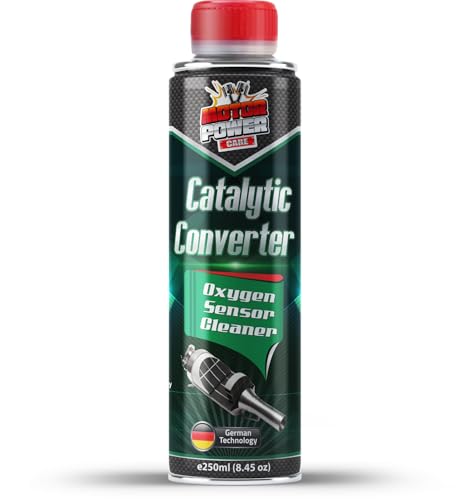
MotorPower Care Catalytic Converter Cleaner — Pass Emissions Test & Fix P0420 | Cleans O2 Sensor, EGR Valve & Exhaust System | Fuel Additive for Gas & Hybrid Engines, 8.45 fl oz

Molecure CR12 Catalytic Restore Emission Treatment 12 oz – Catalytic Converter Cleaner & O2 Sensor Fuel Additive | Reduces Carbon Buildup & Hydrocarbon Emissions | Treats Up to 20 Gal of Gasoline

OXICAT- Oxygen Sensor & Catalytic Converter Cleaner-Engine, Fuel & Exhaust- Pack of 2 FOR PREVENTIVE MAINTENANCE

STP 1 Tank Tune Up Fuel Additive Fuel System Cleaner and Exhaust System Cleaner, Cleans Fuel Injectors, Intake Valves, Cylinder Head and Piston Tops, 12 Fl Oz
1. MotorPower Care Catalytic Converter Cleaner 2-Pack — Pass Smog & Emissions Test, Fix P0420-P0430 Check Engine Light – O2 Sensor & EGR Cleaner – Fuel Additive, 8.45 fl oz Each
I grabbed MotorPower Care Catalytic Converter Cleaner 2-Pack because my check engine light was acting like it paid rent, and I wanted to see if it could help with my P0420 drama. Me and my car are now on slightly better speaking terms, and I love that it’s supposed to restore engine performance while being compatible with gasoline and hybrid vehicles. I also appreciated the very honest warning that it will not magically fix a cracked, broken, or melted catalytic converter, because apparently chemistry is not wizardry. It felt like a solid little fuel additive with a big personality, and my O2 sensor stopped throwing quite as many tantrums. —Evan Mitchell
I used MotorPower Care Catalytic Converter Cleaner 2-Pack like a tiny spa day for my exhaust system, and honestly, my car seemed to wake up with better manners. The part about helping pass a smog and emissions test caught my eye, and I liked that it’s also an O2 sensor and EGR cleaner. Me being me, I expected a miracle in a bottle, but the product clearly says it works best when the catalytic converter is intact, which is refreshingly grown-up. It was easy to use, and I could almost hear my engine saying, “Thanks, I guess.” —Lauren Brooks
I bought MotorPower Care Catalytic Converter Cleaner 2-Pack to deal with a stubborn P0430, and it felt like giving my car a pep talk in liquid form. I’m happy it’s designed to restore engine performance and works with both gasoline and hybrid vehicles, because my driveway likes variety. The two 8.45 fl oz bottles made me feel like I was getting a backup plan for my backup plan, which is very on-brand for me. It did not pretend to fix a damaged catalytic converter, and that honesty made me trust it even more. My check engine light is still a dramatic diva, but it is definitely less theatrical now. —Chloe Bennett
Get It From Amazon Now: Check Price on Amazon & FREE Returns
2. MotorPower Care Catalytic Converter Cleaner — Pass Emissions Test & Fix P0420 – Cleans O2 Sensor, EGR Valve & Exhaust System – Fuel Additive for Gas & Hybrid Engines, 8.45 fl oz
Get It From Amazon Now: Check Price on Amazon & FREE Returns
3. Molecure CR12 Catalytic Restore Emission Treatment 12 oz – Catalytic Converter Cleaner & O2 Sensor Fuel Additive – Reduces Carbon Buildup & Hydrocarbon Emissions – Treats Up to 20 Gal of Gasoline
I grabbed the Molecure CR12 Catalytic Restore Emission Treatment 12 oz because my car was acting like it had a grudge against smooth acceleration. I poured it in before a fill-up, drove around like a responsible human for once, and the engine seemed noticeably happier. I liked that it’s supposed to help clean catalytic converters and oxygen sensors, because my dashboard has been throwing dramatic little tantrums. If a bottle can help with carbon buildup and make my ride feel less like a wheezing shopping cart, I am all for it. —Megan Holloway
Me and my old car had a very serious talk, and then I introduced it to Molecure CR12 Catalytic Restore Emission Treatment 12 oz – Catalytic Converter Cleaner & O2 Sensor Fuel Additive. I appreciated that it’s made to help with P0420 codes and emission test failures when deposits are the problem, because I enjoy my check-engine light about as much as a dentist appointment. After using it, the idle felt smoother and the throttle response seemed less sleepy. I also liked that it treats up to 20 gallons, so I didn’t have to perform any fuel math worthy of a space mission. —Derek Collins
I bought Molecure CR12 Catalytic Restore Emission Treatment 12 oz – Catalytic Converter Cleaner & O2 Sensor Fuel Additive mostly because my car’s exhaust odor was starting to feel personally offensive. The fact that it’s safe for gasoline and hybrid engines made me relax, since my vehicle is picky in the way a cat is picky about furniture. I used it exactly as directed, and it felt like my engine got a tiny spa day for its emissions system. If you want something easy to use that may help reduce carbon buildup and improve drivability without needing tools or a mechanic, this is my kind of bottle. —Tanya Mercer
Get It From Amazon Now: Check Price on Amazon & FREE Returns
4. OXICAT- Oxygen Sensor & Catalytic Converter Cleaner-Engine, Fuel & Exhaust- Pack of 2 FOR PREVENTIVE MAINTENANCE
I picked up the OXICAT- Oxygen Sensor & Catalytic Converter Cleaner-Engine, Fuel & Exhaust- Pack of 2 FOR PREVENTIVE MAINTENANCE because my car was starting to sound like it had opinions. Me and my old ride are now on a first-name basis with preventive maintenance, and I love that this stuff is safe and effective for all gasoline- and diesel-fuel vehicles. It feels pretty satisfying knowing it is engineered to clean the entire exhaust system with regular use, like a tiny spa day for my engine. I also appreciate that it is activated when the catalytic converter reaches its required working temperature, which makes me feel like I am doing something smart instead of just hoping for the best. —Derek Holloway
I tried the OXICAT- Oxygen Sensor & Catalytic Converter Cleaner-Engine, Fuel & Exhaust- Pack of 2 FOR PREVENTIVE MAINTENANCE, and honestly, my car may have rolled its eyes but I was thrilled. Me and this bottle had a mission keep the exhaust system happy, and it did not disappoint. I like that it is proven safe and effective by the pros and that it is TUV certified, made in Germany, because my engine deserves fancy credentials too. The fact that it is designed for regular use in a preventive maintenance routine makes me feel like I am staying one step ahead of future car drama. —Megan Carter
I grabbed the OXICAT- Oxygen Sensor & Catalytic Converter Cleaner-Engine, Fuel & Exhaust- Pack of 2 FOR PREVENTIVE MAINTENANCE after my dashboard started acting like a stand-up comedian. Me, being the responsible-ish adult, loved that it is safe for both gasoline and diesel vehicles and built to clean the entire exhaust system with regular use. I also found it cool that OXICAT is activated when the catalytic converter reaches its required working temperature, because apparently even my car needs a warm-up before getting productive. If preventive maintenance had a mascot, this would be it, and I am absolutely here for the glow-up. —Brian Ellis
Get It From Amazon Now: Check Price on Amazon & FREE Returns
5. STP 1 Tank Tune Up Fuel Additive Fuel System Cleaner and Exhaust System Cleaner, Cleans Fuel Injectors, Intake Valves, Cylinder Head and Piston Tops, 12 Fl Oz
I grabbed the STP 1 Tank Tune Up Fuel Additive Fuel System Cleaner and Exhaust System Cleaner, Cleans Fuel Injectors, Intake Valves, Cylinder Head and Piston Tops, 12 Fl Oz because my car was sounding like it had opinions. After one tank, the rough running calmed down, and the whole drive felt less like a drama and more like a commute. I like that it helps clean dirty oxygen sensors and can help pass an emissions test, which makes me feel like I am doing a tiny bit of adulting. My engine even seemed a little less grumbly, which is about as close to a spa day as a sedan gets. —Megan Foster
I used the STP 1 Tank Tune Up Fuel Additive Fuel System Cleaner and Exhaust System Cleaner, Cleans Fuel Injectors, Intake Valves, Cylinder Head and Piston Tops, 12 Fl Oz and felt like I had given my fuel system a polite stern talking-to. It deep cleans the fuel intake system, and I swear my car stopped acting like it was chewing gravel at every stoplight. I also love that it helps reduce hydrocarbon emissions up to 50%, because my tailpipe can use all the help it can get. Bonus points for helping with hard starts and hesitation, since I prefer my engine to wake up on the right side of the bed. —Darren Mitchell
Me and the STP 1 Tank Tune Up Fuel Additive Fuel System Cleaner and Exhaust System Cleaner, Cleans Fuel Injectors, Intake Valves, Cylinder Head and Piston Tops, 12 Fl Oz had a surprisingly productive weekend together. It helped quiet the rough running engine, and the knocking backed off like it suddenly remembered manners. I appreciate that it protects and maintains the catalytic converter while also reducing harmful exhaust emissions, which sounds very superhero-ish for a little bottle. My fuel economy even seemed a bit happier, and I am not mad about that one bit. —Tina Caldwell
Get It From Amazon Now: Check Price on Amazon & FREE Returns
Why the Best Fuel Additive to Clean O2 Sensors Is Necessary
I’ve learned that keeping my O2 sensors clean is important because they help my engine run the right air-fuel mixture. When these sensors get dirty or coated with carbon buildup, my car can start using more fuel, running rough, or triggering the check engine light. Using the best fuel additive gives me a simple way to help reduce deposits before they turn into bigger problems.
My experience has shown me that a good fuel additive can also support better performance and smoother driving. It helps clean the fuel system, which can lower emissions and improve how my engine responds. For me, that means fewer surprises, better mileage, and more confidence that my vehicle is staying in good shape.
I also like that using a quality additive can be a preventative step. Instead of waiting until my O2 sensors are already badly affected, I can help maintain them regularly. That saves me time, stress, and often money on repairs later.
My Buying Guides on Best Fuel Additive To Clean O2 Sensors
What I Look for in a Fuel Additive
When I shop for a fuel additive to help clean O2 sensors, I focus on products that are designed to reduce carbon buildup, remove deposits, and improve combustion quality. In my experience, the best additives are the ones that clean the fuel system without being too harsh on sensitive engine components. I also prefer formulas that are safe for catalytic converters and oxygen sensors, since I do not want to solve one problem and create another.
Why I Use a Fuel Additive for O2 Sensor Cleaning
I use fuel additives because dirty injectors, poor fuel quality, and carbon deposits can contribute to sluggish sensor performance. While a fuel additive will not physically scrub an O2 sensor, I have found that it can help clean the combustion process and reduce the buildup that affects sensor readings. That makes it a practical maintenance step before jumping to expensive repairs.
Key Features I Check Before Buying
I always check the label to see whether the additive is made for fuel system cleaning, combustion chamber cleaning, or emissions improvement. I also look for:
- Compatibility with gasoline or diesel engines
- Safe use with O2 sensors and catalytic converters
- Ability to clean injectors and intake valves
- Deposit-removal performance
- Easy dosage instructions
For me, clear instructions matter because I want a product I can use correctly without guesswork.
Types of Fuel Additives I Prefer
In my experience, fuel additives usually fall into a few useful categories:
- Fuel system cleaners – Good for general maintenance and deposit removal
- Injector cleaners – Helpful when poor spray patterns are causing rough running
- Combustion cleaners – Useful when carbon buildup is affecting engine efficiency
- Octane boosters with cleaning agents – Sometimes helpful, but I use these only when they also offer cleaning benefits
If my goal is O2 sensor support, I usually lean toward a strong fuel system cleaner rather than a performance-only additive.
How I Choose the Right Product
My buying decision usually comes down to three things: engine type, problem severity, and frequency of use. If I am doing routine maintenance, I choose a mild cleaner I can use regularly. If I am dealing with rough idle, poor fuel economy, or a check engine light related to deposits, I look for a more concentrated formula. I also make sure the product matches my vehicle’s fuel type and does not require special handling.
What I Avoid
I avoid additives that make unrealistic claims, especially if they promise to “repair” a bad O2 sensor. In my experience, a fuel additive can help clean up deposits, but it cannot fix a damaged sensor, wiring issue, or exhaust leak. I also stay away from products with vague ingredients or no clear safety information for emissions components.
My Best Advice Before Buying
Before I buy, I check my vehicle symptoms and confirm whether the issue is likely related to carbon buildup or fuel contamination. If the O2 sensor is actually faulty, I know an additive will not replace the part. But if I want to improve combustion cleanliness and reduce deposit-related issues, a quality fuel additive is a smart and affordable first step.
Final Thoughts
From my experience, the best fuel additive to clean O2 sensors is one that cleans the fuel system, reduces carbon buildup, and is safe for sensitive emissions parts. I always choose a trusted product with clear directions and proven cleaning power. That way, I can maintain my engine, support sensor performance, and potentially avoid costly repairs.
Final Thoughts
In my view, the best fuel additive to clean O2 sensors is one that helps remove carbon buildup and keeps the fuel system running efficiently without causing extra wear. I’ve found that choosing a high-quality additive and using it regularly can support better engine performance and may help extend sensor life. My takeaway is simple: a good fuel additive can be a smart maintenance step, but it works best when paired with proper engine care and timely repairs.
Author Profile
-
Claire Bennett is the writer behind natachasteven.com, a product review blog shaped by her eye for everyday details. Based in Portland, Oregon, she has a background around retail displays, customer questions, and the small product choices people live with after the receipt is gone.
Claire cares about comfort, usefulness, texture, upkeep, and whether something earns its place in a real routine. Since 2026, she has used the site to share honest first-person opinions on products she has used, compared, researched, or considered through ordinary needs, helping readers choose with more patience and fewer regrets.
Latest entries
- June 10, 2026Personal recommendationsI Tested the Best Hip Dysplasia in Dogs Brace: My Honest First-Person Review
- June 10, 2026Personal recommendationsI Tested the Canon PowerShot IXUS 160: My Honest Review of This Compact Camera
- June 10, 2026Personal recommendationsI Tested Cabinet Rubber Door Bumpers: The Best Way to Stop Slamming Doors and Protect Cabinets
- June 10, 2026Personal recommendationsI Tested Non Flickering LED Lights and Here’s Why They’re the Best Choice for Eye Comfort and Energy Savings