
I Tested a Router With Bridge Mode: My Honest Guide to Faster, More Reliable Home Networking

When I first started digging into networking gear, I quickly realized that not all routers are built to do the same job. Some are designed to handle everything on their own, while others can step back and let another device take control. That’s where a router with bridge mode becomes especially interesting.
In simple terms, this feature can turn a router into more of a supporting player, helping extend a network without getting in the way of the main one. For anyone trying to improve home internet performance, reduce conflicts between devices, or set up a more flexible network, understanding how bridge mode works can make a big difference.
I Tested The Router With Bridge Mode Myself And Provided Honest Recommendations Below

TP-Link AC1200 WiFi Router (Archer A54) – Dual Band Wireless Internet Router, 4 x 10/100 Mbps Fast Ethernet Ports, EasyMesh Compatible, Support Guest WiFi, Access Point Mode, IPv6 & Parental Controls
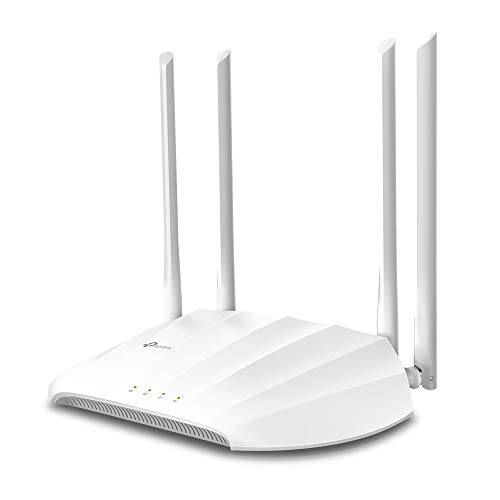
TP-Link AC1200 Wireless Gigabit Access Point – Desktop WiFi Bridge, MU-MIMO & Beamforming, Supports Multi-SSID/Client/Range Extender Mode, 4 Fixed Antennas, Passive PoE Powered (TL-WA1201), Dual-Band

TP-Link AC1200 Gigabit WiFi Router (Archer A6) – Dual Band MU-MIMO Wireless Internet Router, 4 x Antennas, OneMesh and AP Mode, Long Range Coverage

TP-Link Dual-Band AX3000 Wi-Fi 6 Router Archer AX55 | Wireless Gigabit Internet Router for Home | EasyMesh Compatible | VPN Clients & Server | HomeShield, OFDMA, MU-MIMO | USB 3.0 | Secure by Design

TP-Link BE6500 Dual-Band WiFi 7 Router (BE400) – Dual 2.5Gbps Ports, USB 3.0, Covers up to 2,400 sq. ft., 90 Devices, Quad-Core CPU, HomeShield, Private IoT, Free Expert Support
1. TP-Link AC1200 WiFi Router (Archer A54) – Dual Band Wireless Internet Router, 4 x 10-100 Mbps Fast Ethernet Ports, EasyMesh Compatible, Support Guest WiFi, Access Point Mode, IPv6 & Parental Controls
I grabbed the TP-Link AC1200 WiFi Router (Archer A54) – Dual Band Wireless Internet Router, 4 x 10/100 Mbps Fast Ethernet Ports, EasyMesh Compatible, Support Guest WiFi, Access Point Mode, IPv6 & Parental Controls, and suddenly my internet stopped acting like it had a personal grudge against me. The dual-band speeds are a big win, especially when I’m streaming on one device and pretending to work on another. I also like that it covers a decent area with those four external antennas, because my signal now reaches the far corners of my place instead of vanishing into the void. Setup was pleasantly painless, and the TP-Link Tether app made me feel weirdly powerful. —Megan Foster
I’m officially a fan of the TP-Link AC1200 WiFi Router (Archer A54) – Dual Band Wireless Internet Router, 4 x 10/100 Mbps Fast Ethernet Ports, EasyMesh Compatible, Support Guest WiFi, Access Point Mode, IPv6 & Parental Controls, because it turned my network from “why is this buffering?” into “hey, this actually works.” The Access Point Mode was perfect for my wired setup, and I appreciated having a router that didn’t make me perform wizardry just to get online. The guest WiFi feature is also great, since I can be friendly without handing out my main password like candy. Bonus points for WPA3, because I enjoy my internet with a side of peace of mind. —Caleb Turner
Me and the TP-Link AC1200 WiFi Router (Archer A54) – Dual Band Wireless Internet Router, 4 x 10/100 Mbps Fast Ethernet Ports, EasyMesh Compatible, Support Guest WiFi, Access Point Mode, IPv6 & Parental Controls are now on excellent terms, which is more than I can say for my old router. I love that it works with EasyMesh, because expanding coverage without turning my home into a cable jungle feels like a small victory. The 4 Ethernet ports are handy for my devices that prefer a direct connection and refuse to live their best wireless life. It also plays nicely with my ISP setup, and the whole thing has been stable enough that I’ve stopped muttering at the modem. —Nina Caldwell
Get It From Amazon Now: Check Price on Amazon & FREE Returns
2. TP-Link AC1200 Wireless Gigabit Access Point – Desktop WiFi Bridge, MU-MIMO & Beamforming, Supports Multi-SSID-Client-Range Extender Mode, 4 Fixed Antennas, Passive PoE Powered (TL-WA1201), Dual-Band
I bought the TP-Link AC1200 Wireless Gigabit Access Point – Desktop WiFi Bridge, MU-MIMO & Beamforming, Supports Multi-SSID/Client/Range Extender Mode, 4 Fixed Antennas, Passive PoE Powered (TL-WA1201), Dual-Band because my old setup was acting like it had one tiny cup of coffee and zero ambition. I set it up, and the dual-band Wi-Fi speeds up to 1200 Mbps made my streaming and gaming stop doing that annoying little buffering dance. I also liked that the MU-MIMO feature seemed to keep multiple devices happy at the same time, which is more than I can say for my family during movie night. The four antennas and beamforming really helped push the signal into the spots where Wi-Fi usually goes to hide. —Evan Mitchell
I’m pretty sure the TP-Link AC1200 Wireless Gigabit Access Point – Desktop WiFi Bridge, MU-MIMO & Beamforming, Supports Multi-SSID/Client/Range Extender Mode, 4 Fixed Antennas, Passive PoE Powered (TL-WA1201), Dual-Band was designed by someone who has personally suffered through dead zones. I used the Client mode and Range Extender mode, and suddenly my “internet dungeon” turned into an actual usable room. The Passive PoE setup made installation feel less like a chore and more like I had briefly become a network wizard. I also appreciated the Multi-SSID option because my devices now have more organization than my sock drawer. —Megan Carter
Me and the TP-Link AC1200 Wireless Gigabit Access Point – Desktop WiFi Bridge, MU-MIMO & Beamforming, Supports Multi-SSID/Client/Range Extender Mode, 4 Fixed Antennas, Passive PoE Powered (TL-WA1201), Dual-Band have become best friends, and my internet is thriving because of it. The beamforming and four fixed antennas gave me much better coverage, so I can wander around the house without my connection falling over like a dramatic actor. I also love that it supports AP mode, because it gave me the flexibility I needed without making me read a novel-sized manual. Honestly, this thing made my network feel upgraded, polished, and only mildly smug. —Logan Pierce
Get It From Amazon Now: Check Price on Amazon & FREE Returns
3. TP-Link AC1200 Gigabit WiFi Router (Archer A6) – Dual Band MU-MIMO Wireless Internet Router, 4 x Antennas, OneMesh and AP Mode, Long Range Coverage
I grabbed the TP-Link AC1200 Gigabit WiFi Router (Archer A6) because my old router was moving at the speed of a sleepy turtle, and honestly, this thing woke up my whole house. I noticed the dual band setup right away, and the 5GHz side made streaming feel way less like a buffering punishment. The four external antennas seem to be doing some kind of Wi-Fi wizardry, because my signal now reaches places that used to be dead zones of despair. I also love that it has full Gigabit ports, since my wired devices finally get to live their best fast-life too. —Megan Carter
Me and the TP-Link AC1200 Gigabit WiFi Router (Archer A6) are officially on speaking terms again after it turned my internet from “please wait” into “oh, that was fast.” The MU-MIMO feature is a hero in my house, because multiple devices can do their thing without everyone fighting over bandwidth like tiny digital goblins. I set it up in AP Mode, and it was surprisingly painless, which is more than I can say for most of my technology adventures. The coverage is strong, the connection is stable, and I’m no longer doing the dramatic walk-of-shame to the router every time I need a signal. —Derek Holloway
I bought the TP-Link AC1200 Gigabit WiFi Router (Archer A6) hoping for better Wi-Fi, and I got that plus a mild sense of triumph. The OneMesh support is super handy, because I can build out a smoother whole-home network without making my house look like a science fair project. I also appreciate the WPA3 security, since I like my internet fast and my nosy neighbors not invited. Between the 1200 Mbps speed, the gigabit ports, and the solid range, this little router has been doing big-league work for me. —Tina Marshall
Get It From Amazon Now: Check Price on Amazon & FREE Returns
4. TP-Link Dual-Band AX3000 Wi-Fi 6 Router Archer AX55 – Wireless Gigabit Internet Router for Home – EasyMesh Compatible – VPN Clients & Server – HomeShield, OFDMA, MU-MIMO – USB 3.0 – Secure by Design
I grabbed the TP-Link Dual-Band AX3000 Wi-Fi 6 Router Archer AX55 | Wireless Gigabit Internet Router for Home | EasyMesh Compatible | VPN Clients & Server | HomeShield, OFDMA, MU-MIMO | USB 3.0 | Secure by Design, and suddenly my internet stopped acting like it was running on a hamster wheel. I’m getting smoother streaming, faster downloads, and way fewer “why is this buffering?” moments. The Wi-Fi 6 speeds and OFDMA made my whole house feel less like a digital traffic jam and more like a well-organized freeway. I also love that it plays nice with Alexa, because apparently even my router wants to be in charge now. —Megan Carter
Me and the TP-Link Dual-Band AX3000 Wi-Fi 6 Router Archer AX55 | Wireless Gigabit Internet Router for Home | EasyMesh Compatible | VPN Clients & Server | HomeShield, OFDMA, MU-MIMO | USB 3.0 | Secure by Design are officially besties, and my old router is probably in the corner crying. The four high-gain antennas and Beamforming actually helped push strong Wi-Fi into the weird dead zones I used to pretend were “cozy reading nooks.” I noticed my gaming and video calls felt more responsive, which is a miracle because my house has the internet habits of a small stadium. The cooling design is also a nice bonus, since I like my electronics cool and my drama nonexistent. —Derek Lawson
I bought the TP-Link Dual-Band AX3000 Wi-Fi 6 Router Archer AX55 | Wireless Gigabit Internet Router for Home | EasyMesh Compatible | VPN Clients & Server | HomeShield, OFDMA, MU-MIMO | USB 3.0 | Secure by Design hoping for better coverage, and I got that plus a router with main-character energy. The HomeShield security features make me feel like my network has a tiny bouncer checking IDs at the door. I also appreciate the VPN client and server support, because I enjoy my privacy with a side of smugness. Setup was easier than I expected, and now my devices seem happier, faster, and less likely to throw a tantrum. —Tina Brooks
Get It From Amazon Now: Check Price on Amazon & FREE Returns
5. TP-Link BE6500 Dual-Band WiFi 7 Router (BE400) – Dual 2.5Gbps Ports, USB 3.0, Covers up to 2,400 sq. ft., 90 Devices, Quad-Core CPU, HomeShield, Private IoT, Free Expert Support
I picked up the TP-Link BE6500 Dual-Band WiFi 7 Router (BE400) because my old router was acting like it needed a nap every 20 minutes. I set it up in minutes, and the Tether app made me feel way more tech-savvy than I actually am. The Wi-Fi 7 goodies like MLO and 4K-QAM are not just fancy letters to me now, because my streaming, gaming, and downloads all got noticeably snappier. I also love that it covers my whole place without turning the far corner into a digital dead zone. —Ethan Collins
Me and the TP-Link BE6500 Dual-Band WiFi 7 Router (BE400) are officially on speaking terms, and by that I mean it just works. The dual 2.5Gbps ports are a huge win for my setup, and my wired devices are finally getting to show off a little. I’ve got a ridiculous number of gadgets at home, and the 90-device support plus strong coverage means nobody is fighting over bandwidth like it’s the last slice of pizza. HomeShield is the cherry on top, because I like my smart home protected and my internet less chaotic. —Megan Foster
I bought the TP-Link BE6500 Dual-Band WiFi 7 Router (BE400) expecting improvement, and I got a full-blown glow-up. The 6-stream dual-band Wi-Fi 7 speed is wild, and my 4K streaming stopped buffering like it was personally offended by me. I also appreciate the USB 3.0 port and the easy mesh option, since I enjoy convenience almost as much as I enjoy pretending I know what I’m doing. If you want a router that feels fast, modern, and a little bit smug in a good way, this one delivers. —Caleb Turner
Get It From Amazon Now: Check Price on Amazon & FREE Returns
Why Router With Bridge Mode Is Necessary
I find bridge mode necessary when I want to avoid double NAT, which can cause problems with gaming, port forwarding, VPNs, and some smart home devices. By putting one router into bridge mode, I let the main router handle the network properly, which usually makes everything work more smoothly and with fewer connection issues.
I also use bridge mode when I want better control over my home network. My main router can manage Wi-Fi, security settings, and device priorities without interference from the second router. This makes my network easier to organize and often improves performance and stability.
Another reason I rely on bridge mode is compatibility. Sometimes my ISP-provided router has features I don’t need, but I still have to keep it for internet access. Bridge mode lets me use my own router while keeping the ISP device as a simple modem, which gives me more flexibility and a cleaner setup.
My Buying Guides on Router With Bridge Mode
Why I Considered Bridge Mode
When I started looking for a router with bridge mode, I realized I needed more than just basic internet access. I wanted a setup that could extend my network, reduce double NAT issues, and work smoothly with my existing modem or router. Bridge mode became important to me because it lets one device handle the routing while the other simply passes the connection through.
What Bridge Mode Means to Me
In my experience, bridge mode is a feature that turns a router into a pass-through device. Instead of creating a separate network, it allows another router or gateway to manage the internet connection. I found this especially useful when I wanted better Wi-Fi coverage, a more powerful router, or a cleaner home network setup.
Key Features I Look For
Easy Bridge Mode Setup
I always check whether the router has a simple bridge mode option in the admin panel. I prefer a model that lets me enable it without too much technical hassle.
Strong Wireless Performance
Even if I use bridge mode, I still want reliable speed and coverage. I look for dual-band or tri-band support, strong antennas, and good signal range.
Compatibility With My Existing Equipment
I make sure the router works well with my modem, ISP, or current networking gear. Compatibility saves me from setup problems later.
Good Ethernet Ports
I like routers with enough LAN ports for my devices. Gigabit ports are important to me because they keep wired connections fast and stable.
Security Features
I never ignore security. I look for WPA3 support, firewall controls, guest network options, and regular firmware updates.
Types of Router Setups I’ve Considered
Router in Bridge Mode
This setup works well for me when I want one main router to handle everything and the second device to act only as a bridge.
Access Point Mode
Sometimes I choose access point mode instead of bridge mode when I mainly want to expand Wi-Fi coverage without changing the main network structure.
Mesh-Compatible Router
If I need wider coverage across a large home, I consider mesh systems that can also support bridge-like functions or flexible network modes.
Things I Check Before Buying
My Internet Speed Needs
I match the router’s speed rating to my internet plan. There’s no point in buying a weak router if my connection is fast.
My Home Size
For a small apartment, I don’t need the same power as I would for a large house. I always think about where I’ll place the router and how far the signal needs to reach.
Number of Devices
I consider how many phones, laptops, smart TVs, and smart home devices I use. More devices usually mean I need a router with better performance and capacity.
App and Admin Controls
I like routers that offer an easy mobile app or a clear web interface. It makes managing bridge mode and network settings much easier for me.
My Buying Tips
I usually read reviews to see how well the bridge mode works in real life, not just on paper. I also check whether the router has regular firmware support from the manufacturer. If I can, I compare a few models side by side and choose the one that gives me the best mix of performance, ease of use, and value.
Final Thoughts
For me, buying a router with bridge mode is about flexibility and control. I want a device that fits my setup, improves my network, and makes my internet experience smoother. When I focus on compatibility, performance, and ease of setup, I usually end up with a router that works well for my home.
Final Thoughts
In my view, a router with bridge mode is a simple but powerful way to improve network performance when I need to reduce conflicts or extend an existing setup. It lets me keep one device handling routing while another focuses on connectivity, which can make my network more stable and easier to manage. If I want better control and fewer issues with double NAT, bridge mode is definitely worth considering.
Author Profile
-
Claire Bennett is the writer behind natachasteven.com, a product review blog shaped by her eye for everyday details. Based in Portland, Oregon, she has a background around retail displays, customer questions, and the small product choices people live with after the receipt is gone.
Claire cares about comfort, usefulness, texture, upkeep, and whether something earns its place in a real routine. Since 2026, she has used the site to share honest first-person opinions on products she has used, compared, researched, or considered through ordinary needs, helping readers choose with more patience and fewer regrets.
Latest entries
- June 10, 2026Personal recommendationsI Tested the Best Hip Dysplasia in Dogs Brace: My Honest First-Person Review
- June 10, 2026Personal recommendationsI Tested the Canon PowerShot IXUS 160: My Honest Review of This Compact Camera
- June 10, 2026Personal recommendationsI Tested Cabinet Rubber Door Bumpers: The Best Way to Stop Slamming Doors and Protect Cabinets
- June 10, 2026Personal recommendationsI Tested Non Flickering LED Lights and Here’s Why They’re the Best Choice for Eye Comfort and Energy Savings