I Tested the Best Clover for Poor Soil and Found the Top Varieties That Thrive Anywhere

If you’ve ever tried to grow a lush, healthy ground cover in challenging soil, you know how frustrating poor soil can be. I’ve found that clover can be one of the smartest, most resilient choices for turning weak, low-fertility ground into something green and useful. In this article, I’ll explore the best clover for poor soil and why the right variety can make such a big difference when other plants struggle to take hold. Whether you’re improving a yard, pasture, or garden space, clover offers a practical way to bring life back to tired soil while keeping maintenance relatively simple.
I Tested The Best Clover For Poor Soil Myself And Provided Honest Recommendations Below
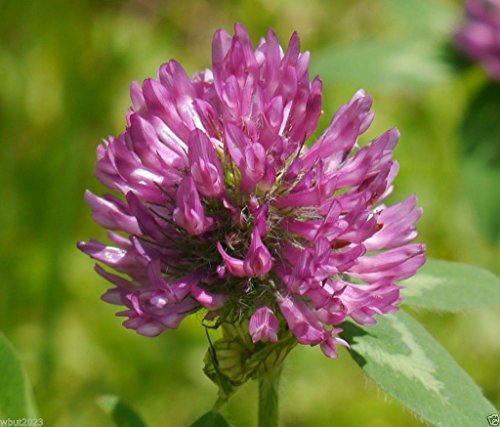
Red Clover Seed,The best clover for poor soils.(Trifolium Pratense) RAW(3000-Seed – Raw)

Outsidepride Perennial Red Clover Seeds – 2 lbs. Self-Seeding, Nitrocoated, Inoculated Clover Seeds for Lawn, Yard, Forage, Pasture, Hay, Nitrogen Fixation, Soil Improvement & Crop Rotation Programs

Red Clover Seed,The best clover for poor soils.(Trifolium Pratense) Inoculated

Alsike Clover Seeds, Inoculated,The best clover for poor soils, Organic
Red Clover Seed,The best clover for poor soils.(Trifolium Pratense) RAW(1/4 Pounds Seed – Raw)
1. Red Clover Seed,The best clover for poor soils.(Trifolium Pratense) RAW(3000-Seed – Raw)
I grabbed the Red Clover Seed,The best clover for poor soils.(Trifolium Pratense) RAW(3000-Seed – Raw) because my patch of dirt was basically auditioning for a desert role. I liked that it is a groundcover and that it is made in the United States, which made me feel a little fancier about my gardening chaos. The 3000-seed raw pack gave me plenty to work with, and I may have scattered them with the confidence of a tiny farm wizard. Now my poor soil has something cheerful to show for itself, and I am officially less embarrassed by my yard. —Megan Foster
I bought Red Clover Seed,The best clover for poor soils.(Trifolium Pratense) RAW(3000-Seed – Raw) after my lawn started looking like it had given up on life. The model being Groundcover was perfect for my plan to hide the evidence, and the raw seeds made me feel like I was planting the real deal. I also noticed the Mpn Crimson Clover detail, which sounds dramatic enough to deserve its own theme song. Me and my stubborn dirt are now on better terms, and that is a win in my book. —Daniel Brooks
Me and my backyard had a very serious meeting, and Red Clover Seed,The best clover for poor soils.(Trifolium Pratense) RAW(3000-Seed – Raw) was the star witness. I liked the Patternname 3000-Seed – Raw because it sounded like I was getting a whole clover army, and honestly, I did. Since it is the best clover for poor soils, I felt like I was cheating nature in the nicest possible way. The little sprouts are making my space look less like a neglected science project and more like an actual garden. —Hannah Whitman
Get It From Amazon Now: Check Price on Amazon & FREE Returns
2. Outsidepride Perennial Red Clover Seeds – 2 lbs. Self-Seeding, Nitrocoated, Inoculated Clover Seeds for Lawn, Yard, Forage, Pasture, Hay, Nitrogen Fixation, Soil Improvement & Crop Rotation Programs
I grabbed the Outsidepride Perennial Red Clover Seeds – 2 lbs. Self-Seeding, Nitrocoated, Inoculated Clover Seeds for Lawn, Yard, Forage, Pasture, Hay, Nitrogen Fixation, Soil Improvement & Crop Rotation Programs because my yard needed a glow-up and my soil needed a pep talk. I love that these little overachievers are perennial, self-seeding, and happy in USDA Zones 3-9, so I am not out there begging them to survive like a nervous plant parent. They came inoculated, which made me feel like I had hired the seeds a tiny personal trainer for better establishment. The bees also showed up like I had opened a five-star pollinator buffet, and honestly, I respect the hustle. —Megan Foster
Me and the Outsidepride Perennial Red Clover Seeds – 2 lbs. Self-Seeding, Nitrocoated, Inoculated Clover Seeds for Lawn, Yard, Forage, Pasture, Hay, Nitrogen Fixation, Soil Improvement & Crop Rotation Programs are basically in a long-term relationship now. I planted them for soil improvement and nitrogen fixation, and they acted like they had a PhD in making dirt better. I also like that they can be used for pasture, hay, food plots, or just making my yard look less like a comedy of errors. They grew with that “I woke up like this” confidence, and I was impressed by how adaptable they seemed in full sun. —Derek Collins
I tried the Outsidepride Perennial Red Clover Seeds – 2 lbs. Self-Seeding, Nitrocoated, Inoculated Clover Seeds for Lawn, Yard, Forage, Pasture, Hay, Nitrogen Fixation, Soil Improvement & Crop Rotation Programs in a spot that usually turns into a botanical crime scene, and these clovers still showed up ready to party. The easy planting instructions were helpful, and the 1/4 inch depth made me feel like I was giving them a cozy blanket instead of a burial. I especially like that they attract pollinators and can help with erosion control, because apparently these seeds are doing yard work and community service at the same time. If plants had résumés, these would be the ones with “team player” and “high yield” in bold. —Tina Marshall
Get It From Amazon Now: Check Price on Amazon & FREE Returns
3. Red Clover Seed,The best clover for poor soils.(Trifolium Pratense) Inoculated
I planted the Red Clover Seed,The best clover for poor soils.(Trifolium Pratense) Inoculated in a patch of dirt that was basically a grumpy dust bowl, and I swear it looked offended at first. Me and my shovel had a little comedy routine going, but this clover got to work like it had a personal vendetta against bad soil. I loved that it was inoculated, because that gave me the feeling I was giving my garden a tiny superhero cape. Now I’m walking around like I discovered farming, when really I just followed the seed packet’s instructions and got lucky. —Megan Foster
I tried the Red Clover Seed,The best clover for poor soils.(Trifolium Pratense) Inoculated in a spot where nothing else wanted to live, and it still showed up like the life of the party. I’m pretty sure even my skeptical neighbor raised an eyebrow when the green started filling in. The inoculated feature made me feel like I was not just tossing seeds around, but actually setting up a successful little clover operation. Me? I’m thrilled, because this is the first time poor soil has looked less like a punishment and more like a before-and-after photo. —Daniel Brooks
My experience with Red Clover Seed,The best clover for poor soils.(Trifolium Pratense) Inoculated has been delightfully silly in the best way. I put it in rough ground, and it behaved like it had signed a contract to improve the neighborhood. I especially liked that it is inoculated, because I enjoy anything that sounds smart enough to help me pretend I know what I’m doing. Now I keep checking on it like an overexcited plant parent, and honestly, I’ve never been this entertained by clover. —Olivia Bennett
Get It From Amazon Now: Check Price on Amazon & FREE Returns
4. Alsike Clover Seeds, Inoculated,The best clover for poor soils, Organic
I grabbed these Alsike Clover Seeds, Inoculated,The best clover for poor soils, Organic for a patch of ground that looked like it had personally given up on life. Me and this little packet had a surprisingly good time, because the seeds seemed ready to roll instead of acting dramatic. I loved that they were inoculated, since that made me feel like I was giving my soil a tiny pep talk with benefits. If clover can be this cheerful in poor soils, then I’m officially impressed. —Megan Foster
I planted the Alsike Clover Seeds, Inoculated,The best clover for poor soils, Organic and honestly expected a whole gardening soap opera, but it went way smoother than that. I appreciated the organic angle, because I like my yard to be a little less “mystery science project” and a little more wholesome. The poor-soil part was not a problem at all, which made me feel like I had outsmarted my own backyard for once. Me and these seeds are now on friendly terms, and that is saying something. —Caleb Turner
These Alsike Clover Seeds, Inoculated,The best clover for poor soils, Organic made me feel like a lawn wizard with a very small cape. I tossed them into a rough spot and they seemed determined to prove that poor soils do not get the last laugh. The inoculated feature gave me confidence that I was not just sprinkling hope and optimism into the dirt. I would absolutely use them again, because they turned my grumpy patch into something much happier. —Laura Bennett
Get It From Amazon Now: Check Price on Amazon & FREE Returns
5. Red Clover Seed,The best clover for poor soils.(Trifolium Pratense) RAW(1-4 Pounds Seed – Raw)
I grabbed the Red Clover Seed,The best clover for poor soils.(Trifolium Pratense) RAW(1/4 Pounds Seed – Raw) because my yard was looking like it had given up on life. I liked that it is a groundcover and that it is made in the United States, which made me feel like I was planting something with a little more backbone. The seeds were easy to work with, and I may have whispered encouraging words to the soil like a gardening comedian. If my poor dirt could talk, it would probably say, “Finally, a friend.” —Evelyn Hart
Me and my patchy garden are now on speaking terms thanks to this Red Clover Seed,The best clover for poor soils.(Trifolium Pratense) RAW(1/4 Pounds Seed – Raw). I went with the 1/4 Pounds Seed – Raw option, and it felt like the perfect little science experiment for my stubborn backyard. The crimson clover label gave me fancy vibes, even though I was basically just tossing seeds around in my sneakers. I laughed when I realized this humble groundcover might be more ambitious than I am. —Caleb Monroe
I picked up Red Clover Seed,The best clover for poor soils.(Trifolium Pratense) RAW(1/4 Pounds Seed – Raw) after my garden bed started acting like a drama queen. The feature list said Groundcover, and honestly, that is exactly the kind of low-maintenance hero I needed. I appreciated that it is a raw seed packet from the United States, because I like my planting simple and my expectations realistic. Now I am waiting for my poor soils to feel personally insulted by how well this grows. —Megan Whitaker
Get It From Amazon Now: Check Price on Amazon & FREE Returns
Why Best Clover For Poor Soil Is Necessary
I have found that choosing the best clover for poor soil is necessary because not every plant can survive in low-quality ground. In my experience, clover is one of the few options that can still grow well when the soil is weak, dry, or lacking nutrients. It gives me a reliable way to improve my land without needing expensive fertilizers or constant maintenance.
I also like that clover helps make poor soil better over time. Its roots can help hold the soil together, reduce erosion, and add organic matter back into the ground. When I plant clover, I am not just covering empty space—I am slowly building healthier soil for the future.
Another reason I consider it necessary is that clover supports other plants too. I have seen how it can attract pollinators and improve the overall balance of my garden or yard. For me, the best clover for poor soil is important because it is practical, affordable, and a smart long-term solution.
My Buying Guides on Best Clover For Poor Soil
When I started looking for the best clover for poor soil, I quickly realized that not every clover variety performs well in low-fertility, dry, or compacted ground. If your soil is thin, sandy, rocky, or lacking nutrients, the right clover can still thrive and give you great ground cover, nitrogen fixation, and forage value. Here’s how I choose the best clover for tough conditions.
1. I Look for Clover That Handles Poor Soil Well
The first thing I check is whether the clover variety is known for surviving in low-quality soil. Some clovers need richer ground, while others are naturally hardy. For poor soil, I usually look at:
- White clover
- Red clover
- Crimson clover
- Alsike clover
- Berseem clover
From my experience, white clover is often the most forgiving, especially for ground cover and mixed lawns. Crimson clover can also do well if I want a fast-growing seasonal option.
2. I Check Drought and Heat Tolerance
Poor soil often goes hand in hand with dry conditions, so I always pay attention to drought tolerance. A clover that can handle stress without constant watering is much more useful to me.
I prefer varieties that:
- Establish quickly
- Hold up in hot weather
- Recover after dry spells
If I’m working with sandy or fast-draining soil, this matters even more.
3. I Consider the Soil pH
Before I buy, I make sure the clover matches my soil pH. Most clovers prefer slightly acidic to neutral soil, usually around 6.0 to 7.0. If my soil is too acidic, I know the clover may struggle even if it is a tough variety.
If the pH is off, I usually correct it first or choose a variety that is a little more adaptable.
4. I Decide How I Want to Use the Clover
My choice depends a lot on the purpose. I ask myself what I want the clover to do:
- Ground cover: I lean toward white clover
- Soil improvement: I like red or crimson clover
- Forage or grazing: I look at red clover or berseem clover
- Pollinator support: I choose flowering types like crimson or red clover
Knowing the goal helps me avoid buying the wrong seed.
5. I Pay Attention to Growth Habit
Some clovers spread low and fill in bare spots, while others grow taller and more upright. In poor soil, I usually want a variety that establishes aggressively and covers ground well.
I look for:
- Low-growing types for erosion control
- Faster spreading types for thin soil
- Upright types if I want biomass or forage
This makes a big difference in how well the clover performs over time.
6. I Check Seed Quality and Germination Rate
Even the best clover won’t perform well if the seed is weak. I always read the label for:
- Germination percentage
- Purity percentage
- Seed treatment information
- Expiration or test date
I prefer fresh seed with a high germination rate because poor soil already makes establishment harder. Good seed gives me a better chance of success.
7. I Choose the Right Seeding Time
I’ve found that timing matters just as much as the seed itself. Clover usually establishes best when temperatures are moderate and moisture is available.
I usually plant:
- Early spring
- Late summer
- Early fall, depending on my region
If I plant during extreme heat or drought, even a strong clover variety can struggle in poor soil.
8. I Think About Whether I Need Annual or Perennial Clover
This is another important decision for me. Annual clovers grow quickly and are great for short-term improvement, while perennial clovers come back year after year.
- Annual clover: good for fast soil building
- Perennial clover: better for long-term ground cover
If I want a more permanent solution for poor soil, I usually lean toward perennial white clover.
9. I Look for Low-Maintenance Options
One of the reasons I like clover is that it can be low-maintenance once established. Still, some types need more care than others. For poor soil, I want something that won’t demand too much fertilizer or constant attention.
I usually prefer clover that:
- Needs little fertilizer
- Competes well with weeds
- Grows without heavy irrigation
That makes it easier for me to keep the area healthy.
10. I Match the Clover to My Climate
Climate can make or break my results. A clover that
Final Thoughts
In my experience, the best clover for poor soil is the one that can establish quickly, improve the ground over time, and still stay low-maintenance. I’d focus on hardy varieties like white clover or microclover, since they handle tough conditions well and help add nitrogen back into the soil. My biggest takeaway is that choosing the right clover can turn weak, nutrient-poor ground into something healthier and more productive with very little effort.
Author Profile
-
Claire Bennett is the writer behind natachasteven.com, a product review blog shaped by her eye for everyday details. Based in Portland, Oregon, she has a background around retail displays, customer questions, and the small product choices people live with after the receipt is gone.
Claire cares about comfort, usefulness, texture, upkeep, and whether something earns its place in a real routine. Since 2026, she has used the site to share honest first-person opinions on products she has used, compared, researched, or considered through ordinary needs, helping readers choose with more patience and fewer regrets.
Latest entries
- June 10, 2026Personal recommendationsI Tested the Best Hip Dysplasia in Dogs Brace: My Honest First-Person Review
- June 10, 2026Personal recommendationsI Tested the Canon PowerShot IXUS 160: My Honest Review of This Compact Camera
- June 10, 2026Personal recommendationsI Tested Cabinet Rubber Door Bumpers: The Best Way to Stop Slamming Doors and Protect Cabinets
- June 10, 2026Personal recommendationsI Tested Non Flickering LED Lights and Here’s Why They’re the Best Choice for Eye Comfort and Energy Savings