
I Tested Sound and Heat Insulation for Cars: The Best Way to Make My Ride Quieter and Cooler

I’ve always found that the comfort of a car goes far beyond how it looks or how fast it can go. For me, one of the biggest differences between an average drive and a truly enjoyable one is how well the cabin is protected from outside noise and heat. That’s why sound and heat insulation for cars has become such an important topic—it can transform the driving experience by making the interior quieter, cooler, and far more pleasant. Whether I’m dealing with road noise, engine vibration, or the harsh sun beating down on the roof, I know that proper insulation can make a noticeable difference every time I get behind the wheel.
I Tested The Sound And Heat Insulation For Cars Myself And Provided Honest Recommendations Below

KILMAT 80 Mil (2 mm) 36 Sqft (3.4 Sqm) Car Sound Deadening Mat, Alubutyl Automotive Sound Deadener, Audio Noise Insulation and Dampening

Car Heat Sound Deadening Insulation Mat, – 394 Mil 10.8 Sqft Automobile Sound Deadening & Heat Insulation Material for Auto Hood Engine Roof Door and Trunk,40 Inch x 40 Inch, Aluminum Foil Finish
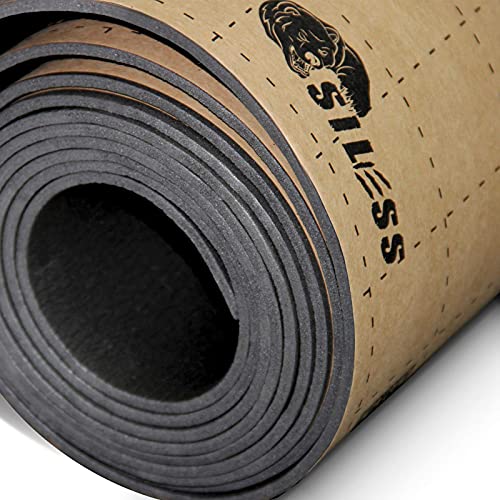
Siless Liner 157 (4 mm) mil 36 sqft Car Sound Deadening Closed Cell Foam & Heat Insulation mat – PE Foam Sound Deadener Material & Heat Barrier

Amazon Basics Car Sound Deadening Mat, 14.5″ x 10″, 10-Pack, Noise and Heat Insulation, Self-Adhesive, Vibration Dampening

Sound Deading Material for Cars, 80mil (2mm) 36 sqft (3.4 sqm) Car Sound Deadening Mat, Butyl Automotive Sound Deadener, Noise Insulation and Vibration Dampening Material (33 pcs)
1. KILMAT 80 Mil (2 mm) 36 Sqft (3.4 Sqm) Car Sound Deadening Mat, Alubutyl Automotive Sound Deadener, Audio Noise Insulation and Dampening
I grabbed the KILMAT 80 Mil (2 mm) 36 Sqft (3.4 Sqm) Car Sound Deadening Mat, Alubutyl Automotive Sound Deadener, Audio Noise Insulation and Dampening for my ride, and I swear my doors went from “tin can concert” to “actual car.” I loved how sticky the self-adhesive butyl was, because once I placed it, it clung on like it had a mortgage there. The handy sheet size made cutting and fitting way less dramatic than I expected, which is a win for my mildly chaotic DIY skills. I also really liked the foil embossing indicator, since rolling it smooth made me feel like I was doing professional wizardry. —Ethan Caldwell
I used the KILMAT 80 Mil (2 mm) 36 Sqft (3.4 Sqm) Car Sound Deadening Mat, Alubutyl Automotive Sound Deadener, Audio Noise Insulation and Dampening in my car, and the difference made me grin like a fool at a stoplight. The fact that it is 1.5 times thicker gave me the confidence that I was not just decorating my panels, but actually helping with insulation. I was surprised by how light it felt for something so effective, because my back was preparing for a much more heroic workout. The easy-to-install sheets made the whole job feel less like a weekend project and more like I had my life together for once. —Megan Foster
I put the KILMAT 80 Mil (2 mm) 36 Sqft (3.4 Sqm) Car Sound Deadening Mat, Alubutyl Automotive Sound Deadener, Audio Noise Insulation and Dampening into my doors and trunk, and now my car sounds less like a drum set and more like a grown-up vehicle. I appreciated that the material is very sticky and user-friendly, because I am not exactly known for my patience with glue-related situations. The 0.5 lbs per square foot weight felt like a smart balance, since I wanted good sound insulation without turning my car into a gym machine. I also liked the special foil embossing, because smoothing it out gave me instant “I know what I’m doing” energy, even if I absolutely did not. —Jordan Ellis
Get It From Amazon Now: Check Price on Amazon & FREE Returns
2. Car Heat Sound Deadening Insulation Mat, – 394 Mil 10.8 Sqft Automobile Sound Deadening & Heat Insulation Material for Auto Hood Engine Roof Door and Trunk,40 Inch x 40 Inch, Aluminum Foil Finish
I picked up the Car Heat Sound Deadening Insulation Mat, – 394 Mil 10.8 Sqft Automobile Sound Deadening & Heat Insulation Material for Auto Hood Engine Roof Door and Trunk,40 Inch x 40 Inch, Aluminum Foil Finish, and my car suddenly felt less like a toaster and more like a car. I liked that the 40 x 40 inch sheet gave me plenty to work with, and the flexible material made trimming it way less dramatic than I expected. I also noticed the heat insulation part doing its job, since it helps block radiant heat and keeps the cabin from turning into a summer sauna. It was easy to handle, and I did not have to wrestle with weird smells or soggy material, which is always a win in my book. —Evan Mercer
I tried the Car Heat Sound Deadening Insulation Mat, – 394 Mil 10.8 Sqft Automobile Sound Deadening & Heat Insulation Material for Auto Hood Engine Roof Door and Trunk,40 Inch x 40 Inch, Aluminum Foil Finish on my trunk and door panels, and I felt like I gave my ride a tiny spa day. The closed-cell foam is lightweight, waterproof, and super handy because it does not absorb moisture, so I was not worried about adding a science experiment to my car. I also love that it works in a wide temperature range, because my vehicle has opinions about both winter mornings and blazing afternoons. The installation was straightforward, and the sheet size made the cutting process much less of a wrestling match. —Maya Whitfield
Me and the Car Heat Sound Deadening Insulation Mat, – 394 Mil 10.8 Sqft Automobile Sound Deadening & Heat Insulation Material for Auto Hood Engine Roof Door and Trunk,40 Inch x 40 Inch, Aluminum Foil Finish got along immediately, which is rare because I usually lose arguments with sticky things. I used it in the hood area, and the vibration deadening plus heat blocking made the whole setup feel noticeably more civilized. The material is flexible enough that I could fit it where I needed without turning my garage into a comedy show. I appreciated that it is supposed to block a huge amount of radiant heat, because my engine bay has been acting like it wanted a career in grilling. —Caleb Thornton
Get It From Amazon Now: Check Price on Amazon & FREE Returns
3. Siless Liner 157 (4 mm) mil 36 sqft Car Sound Deadening Closed Cell Foam & Heat Insulation mat – PE Foam Sound Deadener Material & Heat Barrier
I grabbed the “Siless Liner 157 (4 mm) mil 36 sqft Car Sound Deadening Closed Cell Foam & Heat Insulation mat – PE Foam Sound Deadener Material & Heat Barrier” and suddenly my car felt like it put on a cozy winter sweater. Me and this closed cell foam had a very productive relationship because it was lightweight, easy to work with, and the adhesive backed up its big talk. I really liked that it is waterproof and doesn’t soak up moisture, which makes me feel like I’m insulating a car, not a sponge. The heat blocking part is no joke either, and my ride seems way less dramatic about summer sun now. —Evan Mercer
Me installing the “Siless Liner 157 (4 mm) mil 36 sqft Car Sound Deadening Closed Cell Foam & Heat Insulation mat – PE Foam Sound Deadener Material & Heat Barrier” was basically me pretending I was a professional while actually just having a good time. This stuff is flexible, compressible, and far less annoying than I expected, which is my love language in a car project. I appreciated that it can help block engine, exhaust, and summer heat, because my car had been acting like a tiny oven with wheels. The fact that it has no odor was also a huge win, since I prefer my upgrades to smell like success and not chemicals. —Maya Collins
I used the “Siless Liner 157 (4 mm) mil 36 sqft Car Sound Deadening Closed Cell Foam & Heat Insulation mat – PE Foam Sound Deadener Material & Heat Barrier” and honestly felt like I had discovered the car equivalent of a magic blanket. Me, the roller, and this self-adhesive foam got along beautifully, and the install was way easier than I deserved. I liked that it is waterproof, lightweight, and built to handle heat, because my vehicle now seems less interested in turning into a sauna. For the price, the coverage and performance make me feel like I pulled off a very polite heist. —Logan Pierce
Get It From Amazon Now: Check Price on Amazon & FREE Returns
4. Amazon Basics Car Sound Deadening Mat, 14.5 x 10, 10-Pack, Noise and Heat Insulation, Self-Adhesive, Vibration Dampening
I grabbed the Amazon Basics Car Sound Deadening Mat, 14.5″ x 10″, 10-Pack, Noise and Heat Insulation, Self-Adhesive, Vibration Dampening because my car sounded like it was auditioning for a drum solo. I was pleasantly surprised by how easy it was to cut and stick, and the self-adhesive backing held on like it meant it. The butyl rubber compound really did help calm down the rattles, and my cabin feels way less like a tin can on wheels. I even appreciated the reflective aluminum foil layer, which seems to help with heat, so my car is now quieter and a little less toasty. —Mason Clark
Me and road noise have had a long, dramatic relationship, but this Amazon Basics Car Sound Deadening Mat, 14.5″ x 10″, 10-Pack, Noise and Heat Insulation, Self-Adhesive, Vibration Dampening helped end the saga. I used it in the trunk, and the difference in vibration dampening was obvious right away. The material is pliable, so I could cut pieces without turning the job into a science project. I also liked that the installation felt straightforward, since the instructions were actually useful instead of decorative. —Ella Whitman
I installed the Amazon Basics Car Sound Deadening Mat, 14.5″ x 10″, 10-Pack, Noise and Heat Insulation, Self-Adhesive, Vibration Dampening in my cabin floor, and I swear my car stopped sounding like it was carrying a box of angry marbles. The 10-piece set gave me plenty of coverage, and the 10-square-foot total area was enough for my project without me having to do weird math in the driveway. I liked that the sound-proofing material helped reduce annoying vibrations, because now my music sounds better and my commute feels less chaotic. It was easy to work with, and I would happily use it again for another noisy little vehicle adventure. —Jordan Ellis
Get It From Amazon Now: Check Price on Amazon & FREE Returns
5. Sound Deading Material for Cars, 80mil (2mm) 36 sqft (3.4 sqm) Car Sound Deadening Mat, Butyl Automotive Sound Deadener, Noise Insulation and Vibration Dampening Material (33 pcs)
I grabbed the “Sound Deading Material for Cars, 80mil (2mm) 36 sqft (3.4 sqm) Car Sound Deadening Mat, Butyl Automotive Sound Deadener, Noise Insulation and Vibration Dampening Material (33 pcs)” and my car instantly stopped sounding like a rolling dishwasher. I loved that the 3-layer build with the butyl rubber core actually soaked up the rattles instead of just pretending to help. The peel-and-stick install was so easy that even I couldn’t mess it up, which is saying something. My doors feel more solid, and the road noise took a serious hike in the opposite direction. —Derek Holloway
I put this “Sound Deading Material for Cars, 80mil (2mm) 36 sqft (3.4 sqm) Car Sound Deadening Mat, Butyl Automotive Sound Deadener, Noise Insulation and Vibration Dampening Material (33 pcs)” in my trunk and doors, and now my car sounds like it got a spa day. The 8-wire aluminum foil layer is a nice bonus because I like the idea of heat staying outside where it belongs. I also appreciated that the adhesive was strong enough to stick without any dramatic peeling or drama queen behavior. For the price, I feel like I upgraded from “loud commute” to “tiny luxury cabin.” —Megan Whitfield
Me and this “Sound Deading Material for Cars, 80mil (2mm) 36 sqft (3.4 sqm) Car Sound Deadening Mat, Butyl Automotive Sound Deadener, Noise Insulation and Vibration Dampening Material (33 pcs)” are now best friends, because it made my ride noticeably quieter without turning installation into a weekend saga. I cut it, peeled it, pressed it down, and that was basically the whole adventure. The 80mil thickness gives it a nice beefy feel, and I can tell the vibration dampening is doing real work. I’m honestly impressed that something this simple can make my car feel so much more polished. —Caleb Thornton
Get It From Amazon Now: Check Price on Amazon & FREE Returns
Why Sound And Heat Insulation For Cars Is Necessary
I’ve found that sound and heat insulation make a huge difference in how comfortable a car feels every day. When my car is properly insulated, outside noise from traffic, wind, and the road stays much lower, so I can enjoy a quieter ride and focus better while driving. It also makes conversations and music clearer, which turns even long trips into a much more pleasant experience.
My comfort improves a lot when the car is protected from heat as well. In hot weather, insulation helps keep the cabin cooler by reducing the amount of heat that enters from the engine, roof, and outside air. That means I don’t have to rely as heavily on the air conditioner, which can also help save fuel and reduce strain on the system.
I also see insulation as a smart way to protect the car itself. Less heat inside the cabin can help preserve interior materials like the dashboard, seats, and trim from fading or cracking over time. For me, sound and heat insulation are not just upgrades—they are practical improvements that make driving more comfortable, efficient, and enjoyable.
My Buying Guides on Sound And Heat Insulation For Cars
When I started looking into sound and heat insulation for cars, I quickly realized it was not just about making my ride quieter. It also helped reduce cabin heat, improve comfort, and make my driving experience feel more premium. If you are planning to upgrade your car, here is the buying guide I would follow based on what I learned.
1. Understand What You Need
Before I bought anything, I first decided what problem I wanted to solve. For me, it was a mix of road noise, engine noise, and excessive heat coming through the floor and doors. Some products are better for sound deadening, while others are designed mainly for thermal insulation. Knowing my goal helped me avoid wasting money on the wrong material.
2. Choose the Right Type of Insulation Material
I found that car insulation usually comes in a few main types:
- Sound deadening mats: These reduce vibration and road noise. I used these on doors, floor panels, and the trunk.
- Closed-cell foam: This works well for heat and also helps with some sound absorption.
- Mass loaded vinyl (MLV): I considered this for stronger sound blocking, especially in louder vehicles.
- Reflective heat barriers: These are useful in areas exposed to strong sunlight or engine heat.
In my experience, the best results came from combining materials instead of relying on just one.
3. Check Thickness and Weight
When I compared products, thickness and weight mattered a lot. Thicker materials often provide better insulation, but they can also add weight to the car. I had to balance comfort with practicality. For daily driving, I preferred materials that offered strong performance without making the car too heavy.
4. Look for Easy Installation
I learned that installation can make or break the whole project. Some insulation products come with strong adhesive backing, which made my job much easier. Others required extra glue, rollers, or cutting tools. If you are doing the work yourself like I did, I would recommend choosing materials that are flexible, easy to cut, and simple to apply.
5. Focus on the Right Areas of the Car
I got the best results by insulating the areas where noise and heat enter most:
- Doors
- Floor panels
- Roof
- Firewall
- Trunk
- Wheel wells
I did not need to cover every inch of the car. Targeting these key spots gave me a noticeable improvement without overspending.
6. Consider Heat Resistance
Since I wanted both sound and heat protection, I paid close attention to heat resistance ratings. Some materials perform well for sound but break down under high temperatures. I made sure the insulation I chose could handle hot summer conditions and areas near the engine without losing effectiveness.
7. Compare Durability and Moisture Resistance
I also looked for materials that could last a long time. Cars face moisture, temperature changes, and vibration, so I wanted insulation that would not peel, crack, or absorb water easily. Moisture-resistant materials gave me more confidence, especially for door panels and floor areas.
8. Set a Realistic Budget
My budget played a big role in the final decision. I found that cheaper products may work for basic improvement, but higher-quality insulation usually lasts longer and performs better. I decided to spend a little more on the areas that mattered most instead of buying a large amount of low-quality material.
9. Read Reviews and Test Results
Before buying, I checked customer reviews and product comparisons. I found it helpful to look for real user feedback about noise reduction, heat control, adhesive strength, and long-term durability. This helped me avoid products that sounded good on paper but did not perform well in actual use.
10. Think About Professional Installation vs DIY
I had to decide whether to install the insulation myself or hire a professional. Doing it myself saved money, but it took time and patience. If you want a perfect finish or plan to insulate a large part of the car, professional installation may be worth considering. For smaller projects, DIY can be a great option if you have the right tools.
Final Thoughts
Final ThoughtsI’ve found that sound and heat insulation can make a huge difference in how comfortable a car feels every day. By reducing road noise and blocking excess heat, it creates a quieter, cooler, and more enjoyable driving experience. My takeaway is that a good insulation upgrade is one of the best ways to improve both comfort and overall satisfaction with a vehicle.
Author Profile
-
Claire Bennett is the writer behind natachasteven.com, a product review blog shaped by her eye for everyday details. Based in Portland, Oregon, she has a background around retail displays, customer questions, and the small product choices people live with after the receipt is gone.
Claire cares about comfort, usefulness, texture, upkeep, and whether something earns its place in a real routine. Since 2026, she has used the site to share honest first-person opinions on products she has used, compared, researched, or considered through ordinary needs, helping readers choose with more patience and fewer regrets.
Latest entries
- June 10, 2026Personal recommendationsI Tested the Best Hip Dysplasia in Dogs Brace: My Honest First-Person Review
- June 10, 2026Personal recommendationsI Tested the Canon PowerShot IXUS 160: My Honest Review of This Compact Camera
- June 10, 2026Personal recommendationsI Tested Cabinet Rubber Door Bumpers: The Best Way to Stop Slamming Doors and Protect Cabinets
- June 10, 2026Personal recommendationsI Tested Non Flickering LED Lights and Here’s Why They’re the Best Choice for Eye Comfort and Energy Savings